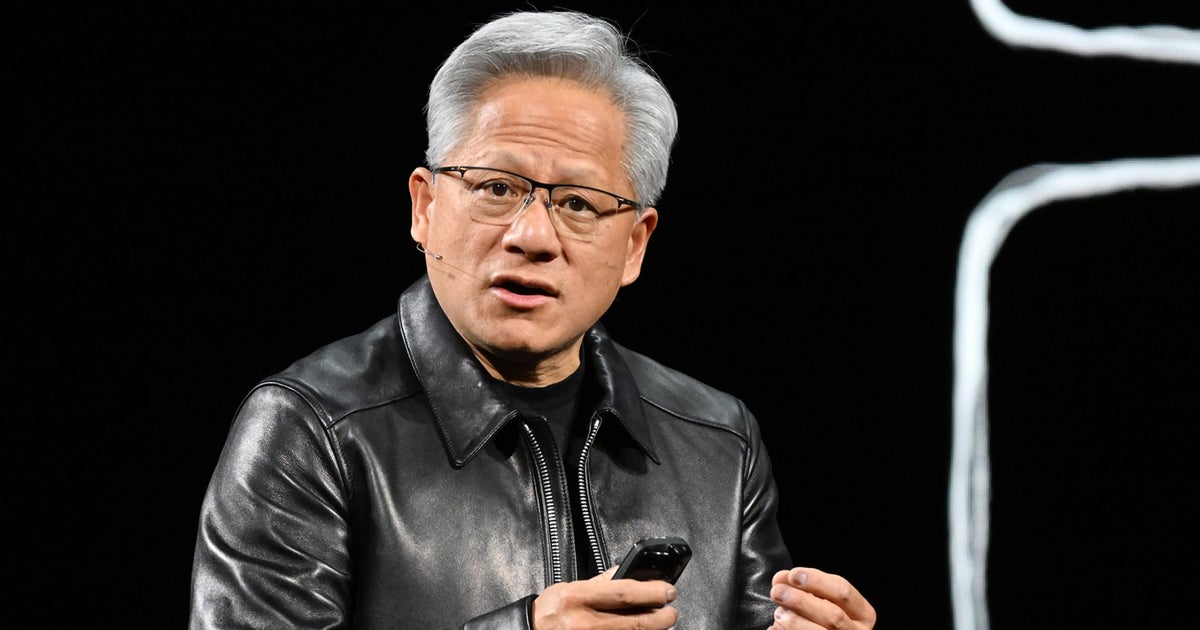
Nvidia shares plummeted for a second consecutive day after CEO Jensen Huang admitted to an affair with an alleged Chinese spy, erasing nearly $500 million in market value. Shareholders have filed lawsuits alleging the company and Huang misled investors by failing to disclose the affair and its national security implications, while the FBI has opened an investigation into the matter.
Key points
Market impact. The scandal has triggered immediate shareholder litigation and wiped hundreds of billions from Nvidia's valuation as investors reassess leadership risk and potential regulatory fallout. The crisis threatens to undermine confidence in the chipmaker at a critical moment when AI infrastructure spending is accelerating globally.
Broader implications. The affair exposes vulnerabilities in U.S. AI supply chain security at a time when the U.S. and China are locked in a race for AI dominance. National security concerns around Nvidia's leadership could prompt regulatory scrutiny and reshape how Washington views semiconductor export controls and corporate governance in critical tech sectors.
Sources (5)CBS News, CBS Money Watch, BBC Business
Anthropic set its IPO price range at $70 to $78 per share, targeting a $1.404 trillion valuation when it begins trading November 19. All seven co-founders plan to sell identical share blocks, each netting approximately $250 million in the offering—a significant markdown from the $2 trillion valuation the AI startup had previously targeted.
Key points
Market impact. The IPO represents one of the largest tech debuts in recent years and will test investor appetite for AI infrastructure plays amid broader market volatility. The valuation reset signals realistic pricing discipline compared to earlier hype, potentially setting a more sustainable benchmark for AI company valuations.
Broader implications. Anthropic's public market entry follows SpaceX's record offering earlier this year and underscores how private capital is reshaping the tech IPO landscape. The deal will give the AI sector a major public vehicle just as enterprise AI adoption accelerates and competition with OpenAI intensifies.
Sources (4)TechCrunch, New York Post Business, CNBC Top Stories
October's Consumer Price Index rose 0.4% month-over-month, exceeding economist forecasts and marking a third consecutive month of elevated underlying inflation. Two Federal Reserve officials have suggested the central bank may need to accelerate rate increases, pushing the 10-year Treasury yield back to 5% as markets price in higher odds of a December rate hike.
Key points
Market impact. The inflation surprise has reignited rate-hike expectations and pressured equities, particularly growth stocks sensitive to higher discount rates. Bond markets have repriced aggressively, with the 10-year yield surge signaling investor concern that the Fed's inflation fight is far from over despite recent gas price declines.
Broader implications. Persistent inflation complicates the Fed's path forward and contradicts the narrative of a soft landing. A faster tightening cycle would pressure corporate earnings, consumer spending, and asset valuations across multiple sectors heading into 2025.
Sources (4)WSJ Economy, CNBC Top Stories, New York Times Business +1
The national average gasoline price fell to $3.98 per gallon, marking the first time below $4 since July, after Trump signaled the U.S. has no plans for imminent military strikes on Iran. Petroleum expert Patrick De Haan predicts prices could sink further to $3.75 by Thanksgiving as geopolitical risk premiums ease.
Key points
Market impact. Lower gas prices provide modest relief to consumers and reduce headline inflation readings, though core inflation remains stubbornly elevated. Oil markets have repriced lower on reduced Middle East conflict risk, benefiting airlines, logistics, and consumer discretionary sectors.
Broader implications. Trump's de-escalation rhetoric on Iran contrasts sharply with earlier military posturing and suggests a recalibration of Middle East policy. Sustained lower energy prices could provide political cover for the administration's economic agenda while reducing one of the Fed's key inflation headwinds.
Sources (3)New York Post Business, CNBC Finance, CBS Money Watch
Trilateral peace negotiations between the U.S., Russia, and Ukraine commenced in Abu Dhabi with Ukrainian President Volodymyr Zelenskyy characterizing the first day as constructive. U.S. officials are proposing a long-term security architecture framework, marking the most substantive diplomatic engagement since February 2022.
Key points
Market impact. Peace talk progress reduces geopolitical risk premiums in energy and defense sectors, supporting lower oil prices and potentially easing sanctions-related supply chain pressures. Equity markets could benefit from reduced uncertainty around European economic exposure to prolonged conflict.
Broader implications. The talks signal a potential shift in U.S. policy toward negotiated settlement, though Russia has simultaneously escalated military operations. Any breakthrough would reshape European security architecture and NATO's strategic posture, with profound implications for defense spending and European geopolitics.
Sources (4)CBS News, ABC News, The Guardian World News
Neutral +93 sourcescnh · kobelco · construction equipment
Kobelco Construction Machinery has agreed to acquire a majority stake in CNH Industrial's construction equipment businesses, including Case Construction and New Holland Construction brands, for $1 billion. CNH will receive $700 million for a 70% stake in the transaction, signaling a strategic exit from the segment.
Key points
Market impact. The deal consolidates global construction equipment manufacturing and may improve margins through operational synergies. CNH's divestiture allows the company to focus on agricultural equipment, while Kobelco gains iconic brands and market share in a cyclical but strategically important sector.
Broader implications. The transaction reflects ongoing consolidation in industrial equipment manufacturing as companies rationalize portfolios in response to slowing infrastructure spending and rising capital requirements for electrification and automation.
Elon Musk announced that Tesla will have to return a significant portion of Cybertruck deposits because order demand far exceeds the company's production capacity before the truck exits production in mid-2027. Musk defended the decision to end Cybertruck manufacturing, citing resource constraints and competing priorities.
Key points
Market impact. The deposit refund announcement signals Tesla's inability to meet demand at scale and may pressure cash flow in the near term. The decision to discontinue Cybertruck production earlier than initially planned raises questions about the vehicle's profitability and Tesla's capital allocation priorities.
Broader implications. The Cybertruck production cap reflects broader constraints in Tesla's manufacturing capacity and supply chain as the company pivots toward higher-margin vehicles and autonomous technology. The move signals pragmatism around production economics but may disappoint investors betting on Cybertruck as a growth driver.
Sources (3)YouTube - Yahoo Finance, Motor1, CBS Money Watch
Alibaba announced plans to list T-Head, its semiconductor subsidiary and direct competitor to Nvidia, on the Hong Kong Stock Exchange. The company filed confidentially for the offering on September 11, marking a strategic move to capitalize on surging demand for AI chips and establish T-Head as an independent public entity.
Key points
Market impact. The IPO will create a new public vehicle for Chinese AI chip development and could attract significant capital from Asian investors seeking exposure to semiconductor innovation outside U.S. supply chains. The move pressures Nvidia's dominance in Asia and signals intensifying competition in the AI accelerator market.
Broader implications. T-Head's public debut accelerates China's push for semiconductor self-sufficiency amid U.S. export controls and geopolitical tensions. The listing underscores how Chinese tech giants are building parallel supply chains and competing directly with American chip leaders in the AI era.