Breaking
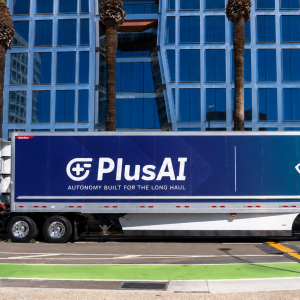
NEW YORK TIMES BUSINESS Adam O’Neal Resigns as Washington Post Opinion Editor Neutral THE GUARDIAN US NEWS Tony Romo placed on leave from CBS Sports after OWI arrest in Wisconsin Pessimistic TECHCRUNCH Snapchat no longer rewards fully AI-generated Spotlight content Neutral WSJ ECONOMY Richmond Fed President Tom Barkin said it is “a close call” whether the central bank’s in… Bearish MARKET WATCH S&P 500 heads for the first July decline since 2014. Here are the stocks that led the sel… Bearish MARKET WATCH Let’s elect candidates who will make the wealthy pay taxes Neutral THE VERGE The major labels propose rules to keep AI slop off the charts Neutral FOX NEWS US Bryan Kohberger claims family joined plea talks as he seeks to withdraw guilty plea: cour… Neutral YOUTUBE - YAHOO FINANCE How to survive the AI boom Strong Bullish NEW YORK POST BUSINESS LA gas stations where you can still get cheap gas revealed — as prices have skyrocketed s… Bullish YOUTUBE - YAHOO FINANCE Michael Saylor's copycats misunderstood why Strategy worked Neutral YOUTUBE - PBD PODCAST Every Politician Dodges This Immigration Question Neutral COINTELEGRAPH Tether earns $1.5B in Q2 as US Treasury holdings fuel profits Pessimistic FREIGHTWAVES Atlas grows Kodiak driverless truck fleet to 100 rigs Strong Bullish THE GUARDIAN WORLD NEWS ‘It’s OK to mess around’: how ‘mop man’ stole the show at Glasgow’s Commonwealth Games Strong Bullish BUSINESS INSIDER The US Navy is pouring $76.6 billion into new submarines and the workers it needs to buil… Neutral CNBC BUSINESS FIFA tests the limits of private equity in sports with World Cup subsidiary sale Pessimistic CONSTRUCTION DIVE FlatironDragados-Sukut JV lands $1.8B dam project Bullish BUSINESS INSIDER Wealthy collectors are buying condos just for their cars Neutral YOUTUBE - YAHOO FINANCE One big investing lesson: 'Don't use leverage if you don't need to' Neutral NEW YORK TIMES BUSINESS Adam O’Neal Resigns as Washington Post Opinion Editor Neutral THE GUARDIAN US NEWS Tony Romo placed on leave from CBS Sports after OWI arrest in Wisconsin Pessimistic TECHCRUNCH Snapchat no longer rewards fully AI-generated Spotlight content Neutral WSJ ECONOMY Richmond Fed President Tom Barkin said it is “a close call” whether the central bank’s in… Bearish MARKET WATCH S&P 500 heads for the first July decline since 2014. Here are the stocks that led the sel… Bearish MARKET WATCH Let’s elect candidates who will make the wealthy pay taxes Neutral THE VERGE The major labels propose rules to keep AI slop off the charts Neutral FOX NEWS US Bryan Kohberger claims family joined plea talks as he seeks to withdraw guilty plea: cour… Neutral YOUTUBE - YAHOO FINANCE How to survive the AI boom Strong Bullish NEW YORK POST BUSINESS LA gas stations where you can still get cheap gas revealed — as prices have skyrocketed s… Bullish YOUTUBE - YAHOO FINANCE Michael Saylor's copycats misunderstood why Strategy worked Neutral YOUTUBE - PBD PODCAST Every Politician Dodges This Immigration Question Neutral COINTELEGRAPH Tether earns $1.5B in Q2 as US Treasury holdings fuel profits Pessimistic FREIGHTWAVES Atlas grows Kodiak driverless truck fleet to 100 rigs Strong Bullish THE GUARDIAN WORLD NEWS ‘It’s OK to mess around’: how ‘mop man’ stole the show at Glasgow’s Commonwealth Games Strong Bullish BUSINESS INSIDER The US Navy is pouring $76.6 billion into new submarines and the workers it needs to buil… Neutral CNBC BUSINESS FIFA tests the limits of private equity in sports with World Cup subsidiary sale Pessimistic CONSTRUCTION DIVE FlatironDragados-Sukut JV lands $1.8B dam project Bullish BUSINESS INSIDER Wealthy collectors are buying condos just for their cars Neutral YOUTUBE - YAHOO FINANCE One big investing lesson: 'Don't use leverage if you don't need to' Neutral
Friday, July 31, 2026
Pulse
All Stories →
Neutral
Market Sentiment · 24h
Neutral
0.7
Articles
636
24h
Positive
22%
Negative
39%
Neutral
39%
Pulse: Jul 31, 2026 1:19 PM ET · 60 articles
Breaking Metrics

Get the insider info on industry, infrastructure, and energy

Market intelligence for everything that makes money and the world move. Free in your inbox.

01

South Korea's Chip Rally Signals AI Momentum Reversal After Brutal Selloff

South Korea's Kospi index surged more than 16% on Friday, its best day on record, driven by a historic rebound in semiconductor stocks after a three-day rout that erased hundreds of billions in market value. Samsung and SK Hynix led the recovery as AI-related equities bounced back from oversold conditions.

The rally reverses momentum in the global chip trade, which had been hammered by concerns over AI capex sustainability and memory oversupply. South Korea's semiconductor sector is a bellwether for global tech spending; this rebound suggests institutional buyers are treating recent weakness as a buying opportunity rather than a structural breakdown.

The volatility underscores how tightly AI infrastructure spending is now woven into equity valuations. A sustained recovery in Korean chip stocks could ease fears about a capex cliff and stabilize semiconductor supply chains critical to U.S. and European tech giants.

02

Copper Poised for New Highs as AI Demand Collides With Chilean Storm Disruptions

Deadly storms in Chile have disrupted mining operations at a moment when copper demand is surging from AI infrastructure buildout, creating a supply-demand collision that strategists say could drive prices to record levels. Chile produces roughly 28% of global copper; operational shutdowns there tighten supply immediately.

Copper futures are positioned to break above recent highs if Chilean production losses persist. This feeds directly into construction and electrical equipment costs for data centers and power infrastructure—both critical to AI deployment. Rising copper prices also inflate input costs for EV manufacturers, a secondary headwind for that sector.

Copper is a leading indicator of global growth and industrial demand. A sustained price spike signals that AI capex is translating into real physical infrastructure spending, not just software hype, while also exposing how climate disruptions can amplify commodity volatility.

03

Richmond Fed's Barkin Signals Rate Uncertainty as Inflation Fight Remains Unresolved

🔴 Breaking

Richmond Federal Reserve President Tom Barkin said Friday it remains "a close call" whether the Fed's current interest-rate setting is restrictive enough to bring inflation down to target. Barkin indicated uncertainty about whether he would have supported recent rate decisions, signaling internal dissent on the policy path.

This dovish signal from a voting FOMC member undermines the case for sustained higher rates and could embolden bond markets to price in earlier rate cuts. Equity futures typically rally on Fed dovishness, though Barkin's ambivalence—rather than outright pivot—suggests the committee remains genuinely split on the inflation outlook.

The Fed's credibility on inflation control hinges on whether current rates are actually working. Barkin's hedging suggests the committee lacks consensus on that question, which could delay any rate-cut cycle and keep financial conditions tighter for longer than markets expect.

04

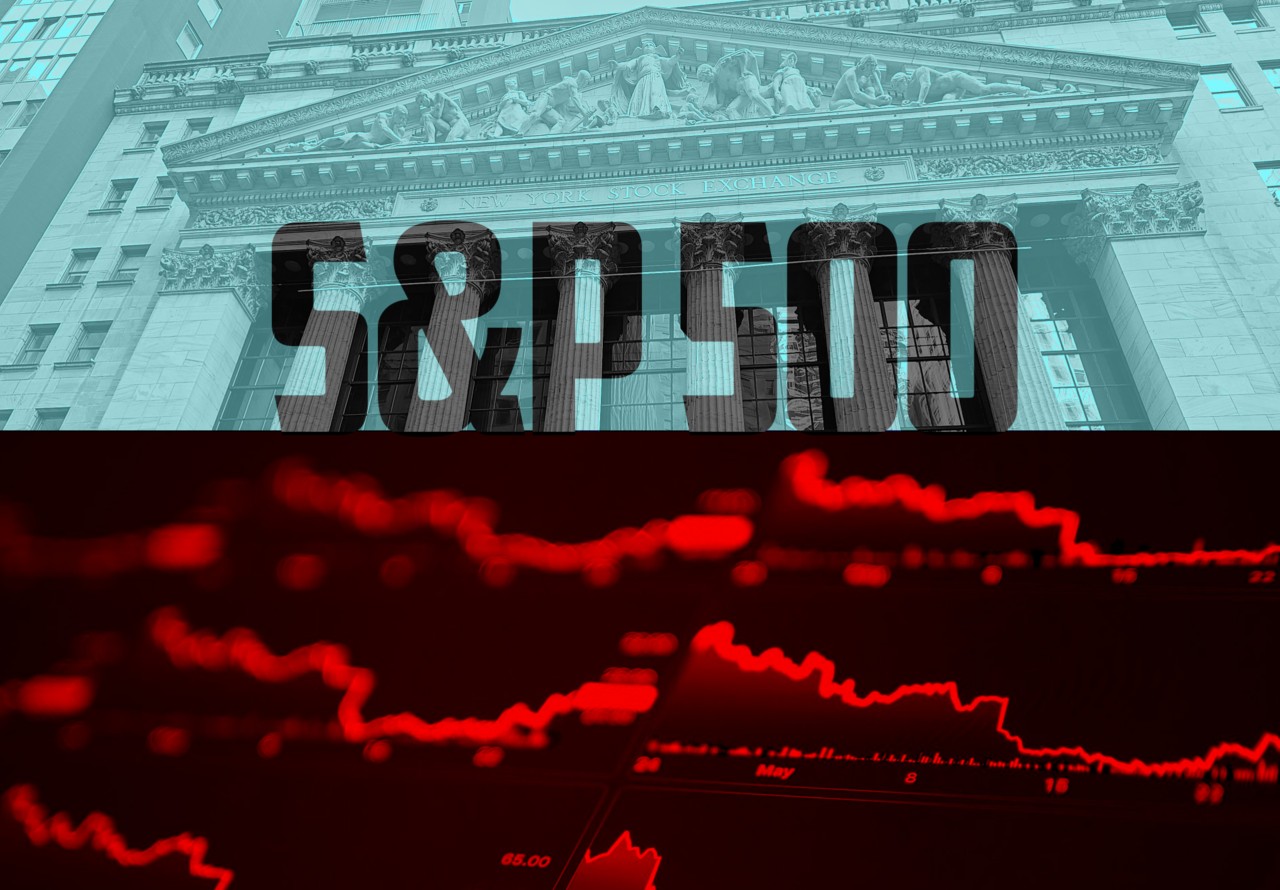
S&P 500 Posts First July Decline Since 2014 Amid Month-End Volatility

🔴 Breaking

The S&P 500 is on track for its first July decline since 2014 after a volatile end to the month that saw sharp swings in mega-cap and growth stocks. The selloff was concentrated in names that had led the year's rally, signaling a rotation or profit-taking rather than broad-based capitulation.

A July decline breaks a streak of strength that had driven the index to record highs earlier in the month. The whipsaw suggests institutional positioning is fragile and that any negative catalyst—earnings misses, Fed hawkishness, or macro data—could trigger deeper pullbacks. Volatility compression may be ending.

The market's inability to hold July gains despite strong earnings and AI enthusiasm indicates that valuations may have run ahead of fundamentals. A reversal in seasonal strength heading into August could test support levels and force a reassessment of 2024 earnings growth assumptions.

05

Canada's Economy Roars Back on Oil and Gas Expansion, Strongest Growth in Three Years

Canada's GDP expanded in May with the strongest growth in roughly three years, driven by expansion in oil and gas activity. The rebound reverses earlier weakness and signals that energy sector investment is translating into measurable economic output.

This supports Canadian dollar strength and energy sector equities, particularly integrated oil majors and upstream producers. It also reduces recession risk for Canada, which had faced headwinds from higher rates and weak consumer spending earlier in the year.

Canada's growth is now almost entirely dependent on commodity exports rather than domestic demand, a structural vulnerability if energy prices weaken. The Bank of Canada may have more room to cut rates if this growth proves temporary, but the data suggests the economy is not in freefall.

06

Tech Giants Face AI Capex Squeeze as Amazon, Alphabet, Tesla Report Negative Cash Flow

Amazon, Alphabet, and Tesla all reported negative free cash flow in the latest quarter, while Meta's cash generation plummeted, as massive spending on AI infrastructure and data centers outpaced earnings growth. The capex buildout is now visibly straining balance sheets at the world's largest tech firms.

This raises questions about the return on AI investment and whether current spending levels are sustainable without significant revenue acceleration. If capex does not translate into profitable AI services within 12-18 months, these companies may face pressure to cut spending, which would ripple through semiconductor and infrastructure suppliers.

The cash flow deterioration contradicts the narrative of AI as an immediate profit driver. Investors are betting on future monetization, but if that thesis breaks, it could trigger a reassessment of tech valuations and a slowdown in the broader AI capex cycle.

07

Leopold Aschenbrenner's $45B Situational Awareness Fund Implodes on Momentum Reversal

Situational Awareness, a $45 billion hedge fund run by Leopold Aschenbrenner, was forced to slash public stock positions after a historic momentum reversal despite a tame overall stock market. The fund's concentrated bet on mega-cap tech and AI winners collapsed when those names sold off sharply.

The implosion signals that crowded positioning in mega-cap tech has become fragile. Forced liquidations by large funds can accelerate downside moves in concentrated names, particularly if other momentum-driven funds face similar pressures. This amplifies volatility in the very stocks that have driven 2024 gains.

The fund's failure is a cautionary tale about concentration risk in an AI-obsessed market. It suggests that despite broad market strength, underlying positioning is fragile and that a rotation away from mega-cap tech could trigger cascading losses across leveraged strategies.

08

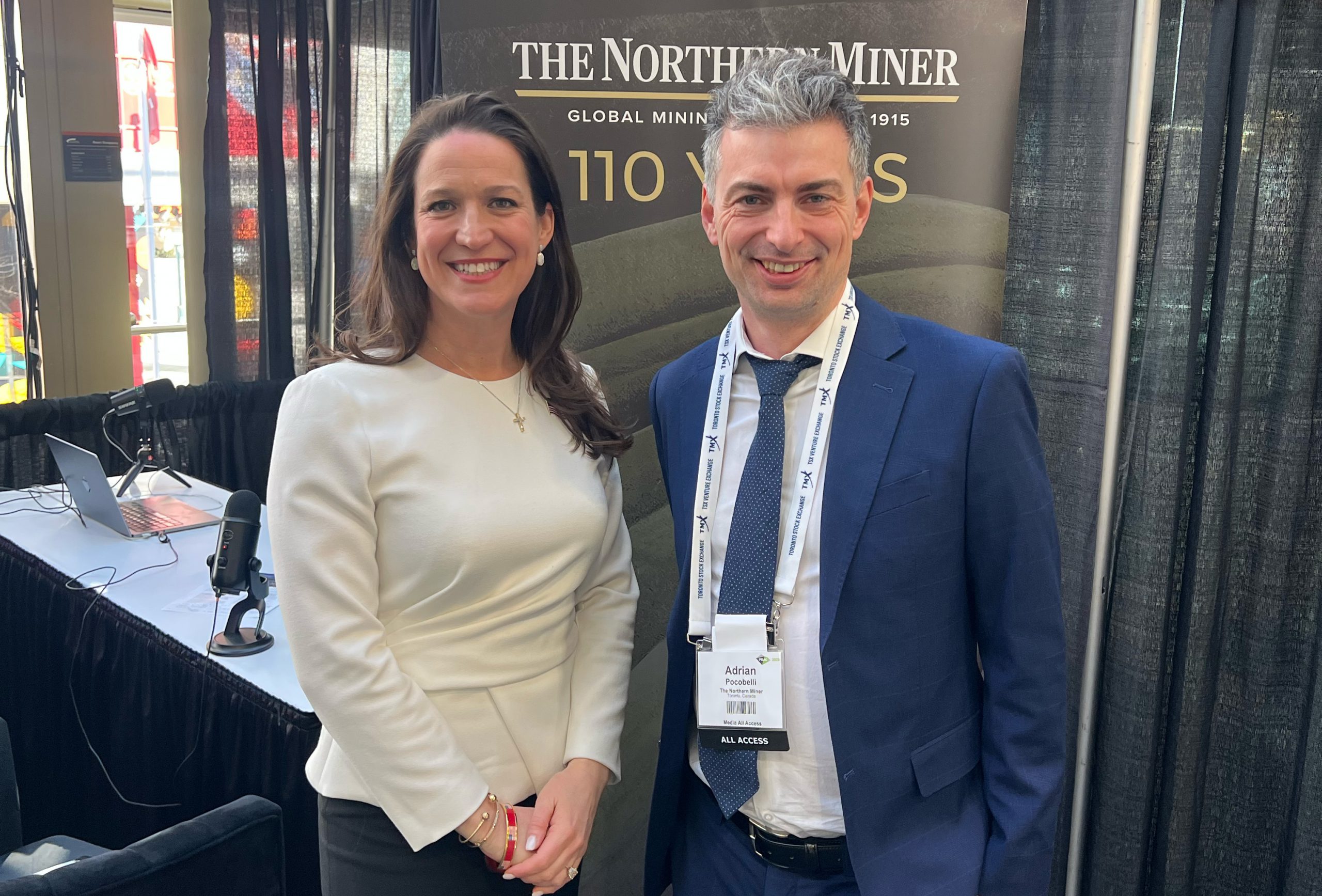
Canada Nickel Wins Federal Approval for Crawford Polymetallic Mine

Canada Nickel Company (TSXV: CNC; US-OTC: CNIKF) has secured federal approval to proceed with its proposed Crawford polymetallic mine, removing a major regulatory hurdle. The project is positioned to supply nickel, cobalt, and other battery metals critical to EV and energy storage supply chains.
The approval de-risks Canada Nickel's development timeline and could support the stock if the market reprices the project's value. It also signals Canadian government support for domestic battery metal production, which could attract additional capital to junior miners in the sector.

North American battery metal supply remains a constraint on EV scaling. Crawford's approval is a modest step toward reducing dependence on overseas sources, particularly as geopolitical tensions around Chinese nickel processing intensify.

09

Oil Prices Rise on Iran's Tanker Attack Claims; Strait of Hormuz Tensions Escalate

Oil prices rose after Iran claimed it attacked two tankers transiting the Strait of Hormuz, escalating regional tensions. The incident raised concerns about supply disruptions through one of the world's most critical chokepoints, through which roughly 20% of global oil passes.

Crude oil futures spiked on the news, with risk premiums embedded in prices reflecting geopolitical uncertainty. A sustained escalation or blockade could push WTI above $90 per barrel, adding inflationary pressure and weighing on consumer spending and airline margins.

The Strait of Hormuz remains a critical vulnerability in global energy markets. Any prolonged disruption would force OPEC+ to increase output or trigger strategic reserve releases, but neither option is guaranteed, making geopolitical risk a persistent headwind for equities.

Last Updated: Jul 31, 2026 1:19 PM ET | Generated by Glideslope's Pulse AI Engine. Pulse can make mistakes; verify all information.
 Live Feed
Headlines

Foreign Policy · just now

Africa’s Financial Third Way

As Western aid retreats and Chinese investment shifts, the continent needs a model that is truly its own.

Neutral 0.0

Construction Executive · just now

New Names and Faces: July 2026       

A new office location, a safety award, leadership team expansions and more color the month of July for ABC member company professionals. Th…

Bullish 65.0

Robotics & Automation · 33m ago

Creative Gift Ideas You Can Have Custom-Made

Finding a gift that is truly personal can be surprisingly difficult when high streets are filled with identical products. Mass production m…

Neutral 0.0
Trending Now
Market Drivers
● MACRO ANALYST

Fraywire+

Unlock the AI Macro Analyst to drill down into the data, explore hidden risks, and query the entire market briefing in real-time.

LOG IN / SUBSCRIBE

My Notes

Loading drafts...