Bearish −353 sourcestesla · cybertruck · production
Elon Musk announced Tesla will wind down Cybertruck manufacturing in mid-2027 to redirect capacity toward the Cybercab autonomous vehicle. The polarizing stainless-steel truck has failed to gain traction with mainstream buyers despite years of hype and production delays.
Key points
Market impact. The decision signals Tesla's strategic pivot away from hardware-heavy vehicles toward autonomous systems, betting the company's future on self-driving technology rather than incremental EV sales. This represents a major capital allocation shift that could pressure near-term revenue but aligns with investor appetite for AI-driven growth narratives.
Broader implications. The Cybertruck's commercial failure underscores execution risk in Tesla's product roadmap and raises questions about Musk's ability to deliver on autonomous promises. The move also frees manufacturing capacity at Gigafactory Texas, potentially for higher-margin robotaxi production if the technology materializes.
Sources (3)NPR Business, ABC News, New York Times Business
The U.S. added 165,000 jobs in October, nearly triple the expected 59,000, with unemployment declining to 4.1% from 4.2%. Professional and business services led gains with 70,000 new positions, while law offices and consulting firms showed particular strength.
Key points
Market impact. The robust report arrived Friday morning after Thursday's brutal AI-driven selloff, providing a circuit breaker for equity markets and supporting a rebound in risk assets. Strong labor data reduces recession fears and complicates the Federal Reserve's rate-cut calculus, potentially extending the higher-for-longer rate environment.
Broader implications. The hiring surge in white-collar sectors directly contradicts AI-apocalypse narratives that dominated Thursday's market panic, suggesting automation fears may be overblown in the near term. Sustained job growth also strengthens consumer spending power heading into the holiday season, offsetting survey data showing Americans plan to cut discretionary spending.
Neutral +62 sourcesnvidia · china · export · chips
The U.S. Commerce Department cleared dozens of Chinese companies to handle Nvidia's advanced H200 chips despite some recipients operating from empty offices and having troubling corporate connections. The approvals appear to circumvent export restrictions intended to limit China's access to cutting-edge AI semiconductors.
Key points
Market impact. The disclosure undermines the credibility of U.S. chip export controls and raises questions about enforcement rigor, potentially exposing Nvidia to geopolitical risk and regulatory backlash. It also suggests Chinese entities may have found loopholes to acquire restricted technology, complicating the competitive advantage the U.S. sought to preserve.
Broader implications. The lax vetting process signals potential vulnerabilities in the Biden administration's technology containment strategy toward China, a policy likely to face intense scrutiny from Congress and the incoming administration. This could trigger stricter enforcement mechanisms or broader export bans that would directly impact Nvidia's China revenue.
Strong bearish −613 sourcesanthropic · ipo · ai · valuation
Prediction market odds for an Anthropic IPO announcement before December plummeted following Thursday's historic tech rout and the Democratic midterm victory. Investors are demanding more attractive valuations to commit capital, and some have signaled interest in delaying the offering until market conditions stabilize.
Key points
Market impact. A delayed or discounted Anthropic IPO would signal weakness in AI investor appetite and undermine the narrative of unstoppable generative AI monetization that has driven mega-cap tech valuations. The deal's fate has become a bellwether for venture-backed AI companies seeking public exits, with downstream effects on late-stage funding rounds.
Broader implications. Google, Broadcom, and SpaceX all have significant stakes in Anthropic, making the IPO a referendum on Big Tech's AI strategy. A failed or diminished offering would expose cracks in the venture ecosystem's ability to absorb AI-focused companies at premium valuations, potentially cooling the sector's frothy investment climate.
Sources (3)Market Watch, CNBC Top Stories, New York Post Business
Neutral +73 sourcesdata centers · ai · political backlash
Crusoe Energy divested its troubled Wyoming data center project to Google, highlighting mounting challenges in developing massive AI infrastructure. The sale comes as voters have made clear their distaste for data center expansion, with communities citing power consumption, water usage, and environmental concerns.
Key points
Market impact. The deal signals that independent developers lack the scale and political capital to navigate permitting and community opposition, consolidating data center development among tech giants with deeper pockets and government relationships. Heavy civil contractors like Tutor Perini are pivoting away from data center work, seeking $200 billion in alternative infrastructure bids.
Broader implications. Democratic control of Congress and state legislatures following the midterms may accelerate regulatory scrutiny of data center projects, potentially constraining AI infrastructure buildout and creating supply bottlenecks. This could limit the pace at which AI companies can scale operations, indirectly capping near-term AI revenue growth.
Sources (3)TechCrunch, CBS Money Watch, Construction Dive
Berkshire Hathaway executed $9.6 billion in share buybacks while reporting a 28% decline in overall profit driven by deteriorating investment valuations. The aggressive repurchase program signals management confidence despite the earnings headwind and reflects Buffett's view that Berkshire shares remain undervalued.
Key points
Market impact. Berkshire shares outperformed the S&P 500 this week amid broader AI-driven selloff, benefiting from the company's defensive positioning and lack of direct AI exposure. The buyback program will continue to support the stock price and reduce share count, providing a mechanical boost to per-share earnings.
Broader implications. The profit decline reflects mark-to-market losses on Berkshire's massive equity portfolio, underscoring the volatility rippling through mega-cap holdings during the AI correction. Buffett's continued buyback aggression suggests he views current valuations as attractive despite near-term market turbulence.
Bearish −353 sourcesnasdaq · correction · ai · selloff
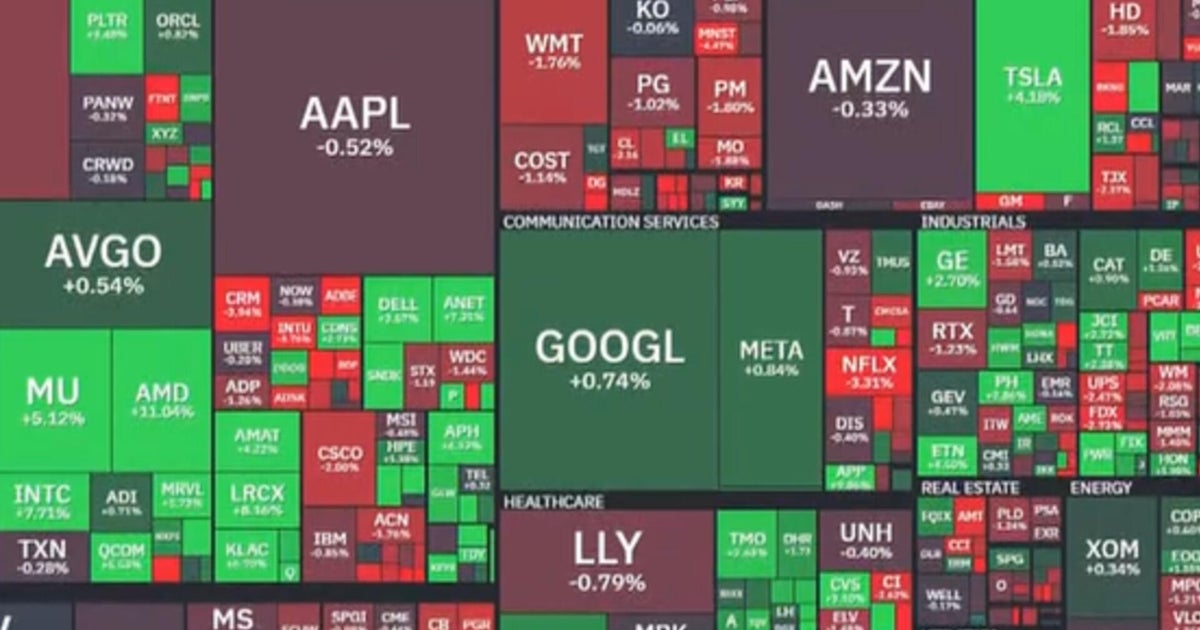
The Nasdaq plunged 5.1% Thursday, entering correction territory, as investors fled AI stocks and reassessed the sector's growth prospects. The selloff accelerated following the Democratic midterm victory, with concerns that new congressional leadership may impose stricter data center regulations and antitrust scrutiny on Big Tech.
Key points
Market impact. The correction wiped trillions in market value and forced a sharp repricing of AI-dependent equities. Friday's rebound on strong jobs data provided temporary relief, but technical damage remains significant, with multiple mega-cap tech stocks breaking key support levels and triggering algorithmic selling.
Broader implications. The speed and breadth of the selloff suggest AI enthusiasm had become dangerously concentrated and overextended, with valuations disconnected from near-term earnings visibility. The correction may mark the beginning of a prolonged derating of AI-centric stocks as investors demand more concrete evidence of monetization and profitability.
Sources (3)CBS News, CBS Money Watch, New York Post Business
Bullish +192 sourcesfox · roku · acquisition · streaming
Fox Corp finalized its $22 billion acquisition of streaming giant Roku, closing well ahead of schedule despite DOJ scrutiny earlier in the year. The deal combines Fox's content and advertising capabilities with Roku's platform reach, creating a vertically integrated streaming competitor to Netflix and Disney.
Key points
Market impact. The completed transaction eliminates Roku as an independent public company and consolidates streaming infrastructure under Fox's control. The deal values Roku's ad-tech platform and user base at a significant premium, reflecting Fox's confidence in the free ad-supported streaming (FAST) model as a revenue driver.
Broader implications. The acquisition signals that traditional media companies are willing to deploy substantial capital to compete in streaming, betting that bundled content and advertising services can offset cord-cutting losses. It also suggests the regulatory environment for media M&A remains permissive despite Democratic control of Congress.
Strong bearish −823 sourcesparaguay · president · bank · crisis
Paraguay's President Santiago Peña resigned Friday following the collapse of Ueno digital bank, which froze millions of citizens' savings and triggered impeachment proceedings. Peña's administration had authorized Ueno's aggressive expansion before the lender's catastrophic failure, raising questions about regulatory oversight and potential conflicts of interest.
Sources (3)New York Times Business, Northern Miner, The Guardian World News