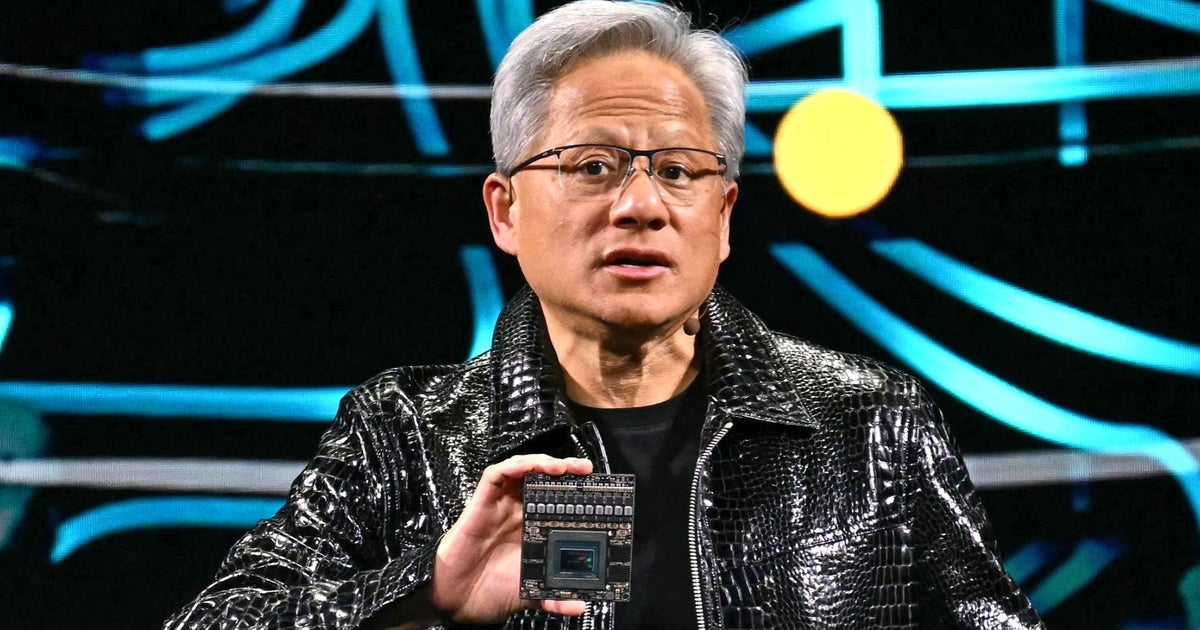
Nvidia CEO Jensen Huang admitted to an affair with a woman suspected of being a Chinese spy, triggering a board investigation and shareholder lawsuits alleging the company misled investors by concealing national security risks. The affair raises questions about whether Huang's judgment and the company's governance can withstand scrutiny during a critical period for AI leadership.
Key points
Market impact. Nvidia shares dropped nearly 5% on the revelations, erasing hundreds of billions in market value from the semiconductor giant. The scandal threatens to destabilize investor confidence in a company that has been a cornerstone of the AI rally and a key holding across institutional portfolios.
Broader implications. The incident exposes vulnerabilities in tech leadership during heightened US-China tensions and raises questions about succession planning at one of the world's most valuable companies. Regulatory and national security scrutiny of Nvidia's operations and leadership could intensify, particularly if the FBI investigation uncovers evidence of compromised information.
Sources (4)CBS News, CBS Money Watch, New York Post Business +1
Anthropic, the AI safety-focused startup backed by Google and Amazon, priced its blockbuster IPO at $70 to $78 per share, implying a $1.404 trillion market capitalization at the top of the range. The company is expected to begin trading on November 19, marking one of the largest public offerings ever and a significant step down from its earlier $2 trillion valuation target.
Key points
Market impact. The IPO will test investor appetite for AI companies amid broader market volatility and rising Treasury yields. A successful listing would validate the AI sector's growth narrative but also signal whether mega-cap valuations can sustain in a higher-rate environment. The deal's scale could absorb significant capital flows from tech-focused funds.
Broader implications. Anthropic's public debut follows SpaceX's record offering earlier this year and reflects continued investor appetite for Elon Musk-adjacent ventures. The valuation reset from $2 trillion to $1.4 trillion suggests market discipline is reasserting itself even in hot sectors, a signal that could temper expectations for other late-stage AI startups seeking capital.
Sources (3)New York Post Business, TechCrunch, CNBC Top Stories
October's Consumer Price Index rose 0.4% month-over-month, exceeding economist forecasts and signaling a broadening of price pressures across energy and food categories. The hotter-than-expected reading has stoked concerns that inflation remains sticky despite recent declines in gasoline prices, complicating the Federal Reserve's path forward on interest rates.
Key points
Market impact. The report triggered a sharp sell-off in equities and sent the 10-year Treasury yield racing back to 5%, with traders now pricing in near-certain odds of a 25-basis-point rate hike at the Fed's December 9 meeting. Higher yields pressure growth stocks and valuations across the board, particularly in unprofitable tech and AI names that have driven recent rallies.
Broader implications. The inflation surprise undermines the "soft landing" narrative and suggests the Fed may need to hold rates higher for longer than markets had priced in. This shifts the macro backdrop for 2025, potentially extending the period of elevated borrowing costs for corporations and consumers and raising recession risks if the Fed overtightens.
Sources (3)New York Times Business, CBS Money Watch, New York Post Business
The 10-year Treasury yield jumped back to 5% following the hotter-than-expected October CPI report and comments from Federal Reserve officials signaling openness to further rate increases. Goldman Sachs noted that "the pieces are in place" for a shift in Treasury yields, suggesting institutional positioning is recalibrating for a higher-for-longer rate regime.
Key points
Market impact. Rising yields compress valuations across equities, particularly in high-growth and unprofitable sectors that benefit from lower discount rates. Mortgage rates, corporate borrowing costs, and refinancing expenses all move higher, creating headwinds for housing, consumer spending, and capital-intensive industries. The move also signals a rotation away from duration-sensitive assets.
Broader implications. A sustained 5% 10-year yield would represent a structural shift in the rate environment and challenge the assumption that the Fed is done tightening. This backdrop favors value and dividend stocks over growth, pressures private equity and venture returns, and could slow M&A activity if financing costs remain elevated.
Bullish +283 sourcesgas prices · thanksgiving · energy
US gasoline prices dipped below $4 per gallon for the first time in three months, with petroleum analyst Patrick De Haan predicting further declines to $3.75 by Thanksgiving. The sharp drop follows post-election sentiment shifts and reduced geopolitical risk premiums in crude oil markets.
Key points
Market impact. Lower pump prices provide modest relief to consumer purchasing power and could support discretionary spending in the final quarter, though the benefit is limited by broader inflation persistence. Energy stocks and oil majors face headwinds from lower crude prices, while consumer staples and retail benefit from improved sentiment at the pump.
Broader implications. Despite the decline, Thanksgiving travel costs remain the highest since 2000 when accounting for overall inflation, underscoring that energy price relief alone does not offset the cumulative cost-of-living pressures consumers face. This dynamic may limit the political benefit of lower gas prices for the incoming administration.
Sources (3)CNBC Finance, CBS Money Watch, Market Watch
Elon Musk announced that Tesla will have to return a substantial portion of Cybertruck deposits because order demand "far exceeds" production capacity before the vehicle is discontinued in mid-2027. The admission signals that Tesla overestimated manufacturing capability or demand has proven stronger than anticipated, forcing the company to disappoint customers.
Key points
Market impact. The refund obligation creates a cash outflow headwind for Tesla and raises questions about demand sustainability for the Cybertruck, a vehicle Musk has positioned as critical to the company's future growth. The announcement could dampen investor enthusiasm for Tesla's product roadmap and undermine confidence in management's ability to forecast demand accurately.
Broader implications. The Cybertruck refund situation reflects broader challenges in Tesla's manufacturing strategy and product planning. It also highlights the risks of pre-order models when production constraints are real, a lesson relevant to other EV makers and capital-intensive manufacturers betting on future demand.
Bearish −233 sourcesrussia · ukraine · abu dhabi peace talks
Negotiators from the US, Russia, and Ukraine held nearly four hours of talks in Abu Dhabi, marking the first substantive three-way discussions since February. The US presented a proposal for a "long-term security architecture" aimed at ending the war, though Zelenskyy warned that Russia is simultaneously stepping up military attacks ahead of the negotiations.
Key points
Market impact. Any credible progress toward a ceasefire would reduce geopolitical risk premiums embedded in energy and commodity prices, potentially lowering oil and natural gas costs. Conversely, a breakdown in talks or escalation could trigger a spike in energy prices and volatility across risk assets, particularly if sanctions or supply disruptions intensify.
Broader implications. The talks signal a shift in US diplomatic posture and suggest the incoming administration may prioritize negotiated settlement over indefinite military support. A Ukraine resolution would reshape European security architecture, NATO's role, and US defense spending priorities, with profound implications for defense contractors and European equities.
Strong bearish −643 sourcesiran · trump · military
President Trump stated that the US war in Iran is "effectively over" militarily, citing destruction of Iran's navy and economic pressures from inflation, while suggesting an end to hostilities could come "fairly soon." He maintained that the US remains "locked and loaded" for further strikes if needed, signaling a de-escalation posture without full disengagement.
Key points
Market impact. Trump's comments reduce near-term escalation risk and could ease geopolitical risk premiums in oil markets, supporting lower energy prices. However, the ambiguity around US military posture and the potential for rapid reversal if tensions spike creates uncertainty that could keep oil volatility elevated and limit downside in crude prices.
Broader implications. The statement reflects Trump's preference for negotiated settlements over prolonged military engagement, consistent with his approach to Ukraine. A genuine de-escalation with Iran would reshape Middle East geopolitics, reduce defense spending pressures, and lower energy costs for global markets—outcomes that could support consumer spending and corporate margins.
Sources (3)CNBC Top Stories, BBC US, The Guardian US News