Strong bearish −483 sourcesnasdaq · correction · ai · democrats
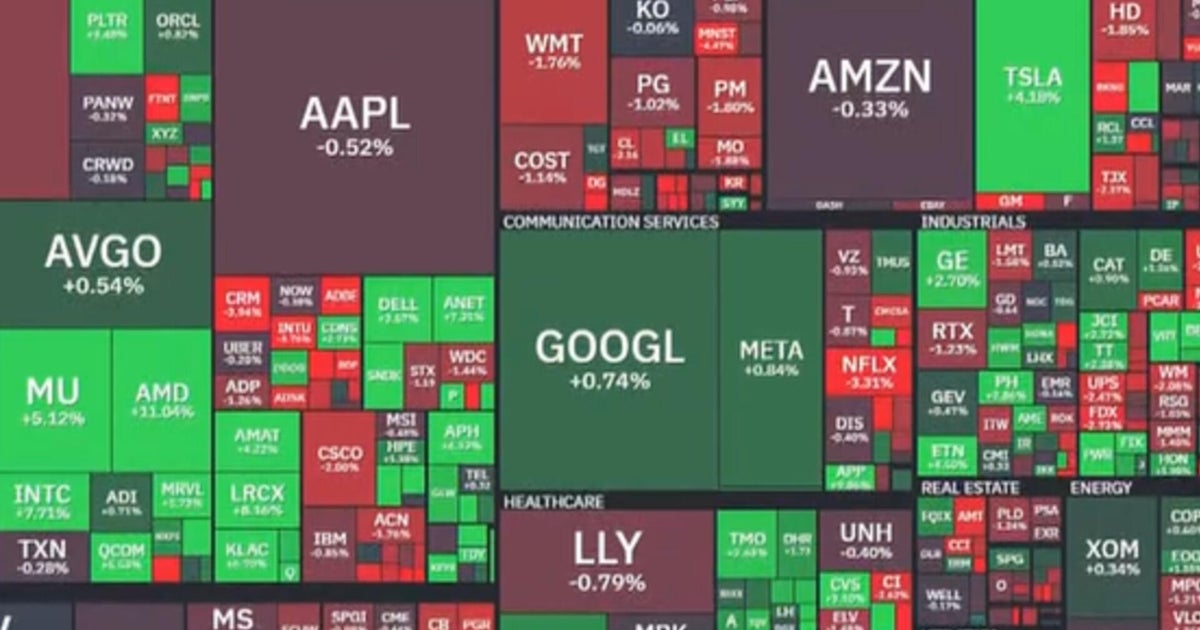
The S&P 500 shed $2.9 trillion and Nasdaq lost $2.5 trillion in single-day record declines after Democrats swept the midterm elections, triggering a cascade of selling in AI and tech stocks. The Nasdaq entered correction territory, down 5.1%, as investors braced for stricter AI regulation and data center restrictions under Democratic control.
Key points
Market impact. AI-heavy portfolios bore the brunt of the selloff, with Elon Musk alone losing $80 billion in wealth during Thursday's plunge. The market rebounded modestly Friday on stronger-than-expected October jobs data (165,000 added, unemployment at 4.1%), but the structural concern—that Democratic majorities will throttle data center buildout and AI capex—remains priced in as a persistent headwind.
Broader implications. The selloff reflects a fundamental repricing of AI's growth trajectory under regulatory pressure. Democratic pledges to rein in data centers and AI development could materially slow the capex cycle that has underpinned recent market gains, forcing a recalibration of valuations across semiconductor, cloud, and AI infrastructure plays.
Strong bearish −662 sourcesanthropic · ipo · ai · valuation
Kalshi traders slashed odds of an Anthropic IPO announcement before December following the post-election AI selloff and Democratic victory. Investors are now demanding more attractive valuations to commit capital, with the company's previously discussed public offering now viewed as contingent on a stabilization of sentiment around AI regulation and data center policy.
Key points
Market impact. The delay signals broader hesitation among institutional investors to commit to AI infrastructure IPOs at current valuations. Anthropic's backers—including Google, Broadcom, and Salesforce—face pressure to either accept lower entry prices or postpone offerings until regulatory uncertainty clears, creating a potential funding crunch for high-burn AI startups.
Broader implications. The IPO freeze reflects a structural shift: the AI boom's financing model depends on permissive regulation and cheap capital. Democratic control of Congress introduces policy risk that venture and growth investors now price as material, potentially extending the private funding runway for AI companies and delaying the next wave of tech IPOs.
Sources (2)CNBC Top Stories, New York Post Business
Bearish −353 sourcestesla · cybertruck · production · musk
Tesla will wind down Cybertruck manufacturing in mid-2027 to redirect capacity toward the Cybercab autonomous vehicle platform, CEO Elon Musk announced. The decision reflects insufficient demand for the polarizing stainless-steel truck, which failed to capture the mass-market appeal Musk initially projected.
Key points
Market impact. The Cybertruck pivot underscores Tesla's struggle to scale production of niche vehicles and signals a strategic bet-the-company move toward autonomous robotaxi technology. The shift away from a high-profile consumer product to an unproven autonomous platform carries execution risk, particularly given regulatory uncertainty around self-driving vehicles.
Broader implications. Tesla's retreat from the Cybertruck validates skepticism about the EV market's appetite for experimental designs and suggests the broader EV industry is consolidating around proven form factors. Musk's pivot to autonomous vehicles represents a higher-risk, longer-runway bet that depends on regulatory approval and technical breakthroughs neither Tesla nor competitors have yet demonstrated at scale.
Sources (3)NPR Business, ABC News, New York Times Business
Neutral +103 sourcesdata · centers · political · backlash
Voter antipathy toward data center construction surged in the midterm elections, with Democratic victories signaling stricter environmental and land-use regulations ahead. Heavy civil contractor Tutor Perini reported $200 billion in potential project bids, but acknowledged that almost none are data center work—a stark reversal from the AI-driven buildout that dominated 2024.
Key points
Market impact. The political pivot threatens capex plans for hyperscalers including Amazon, Microsoft, Google, and Meta, which have anchored infrastructure spending forecasts on aggressive data center expansion. Delays or rejections of permits could compress margins for construction firms and force cloud providers to recalibrate AI infrastructure timelines and geographic diversification strategies.
Broader implications. Data center backlash reflects genuine public concern over power consumption, land use, and environmental impact—concerns that Democratic control of Congress will likely codify into policy. This regulatory headwind could slow AI capex growth materially and shift competitive advantage toward companies with existing infrastructure, potentially widening the moat for incumbents like AWS and Azure.
Strong bullish +623 sourcestoyota · hybrid · gas · prices
Toyota raised its annual earnings outlook and announced an $89 billion shareholder return plan, driven by surging hybrid vehicle sales as fuel costs remain elevated following the Iran conflict. The company's strategic focus on petrol-electric hybrids over pure EVs is now delivering outsized returns as U.S. consumers opt for lower-cost, proven powertrains.
Key points
Market impact. Toyota's outperformance reflects a fundamental shift in consumer preference away from EVs toward hybrids, pressuring Tesla and other pure-play EV makers. The company's North American operations are strengthening, and factory investments in the U.S. position Toyota to capture market share as political headwinds against EV subsidies intensify under Democratic control.
Broader implications. Toyota's hybrid-led recovery signals that the EV transition is slower and messier than consensus assumed. High energy costs, infrastructure gaps, and shifting political priorities are extending the internal combustion engine's runway, favoring automakers with diversified powertrains over those betting exclusively on electrification.
Sources (3)CNBC Top Stories, New York Times Business, Motor1
Strong bearish −823 sourcesparaguay · president · bank · crisis
Paraguay's President Santiago Peña was impeached and removed from office Friday after the collapse of Ueno Bank froze millions of citizens' savings. Peña had authorized the digital lender's rapid expansion before its failure, and his former ties to Ueno's parent company intensified scrutiny over regulatory capture and financial mismanagement.
Key points
Market impact. The crisis threatens Paraguay's macroeconomic stability and could trigger capital flight from emerging markets if contagion spreads to regional banking systems. The country's uranium ambitions—a potential geopolitical asset in the global energy transition—are now clouded by political instability and loss of investor confidence.
Broader implications. Paraguay's banking collapse underscores the risks of rapid fintech expansion in emerging markets without robust regulatory oversight. The political fallout signals broader Latin American vulnerability to financial crises and may accelerate capital reallocation away from smaller regional economies toward safer havens, pressuring emerging market currencies and yields.
Sources (3)New York Times Business, Northern Miner, The Guardian World News
Neutral +123 sourcesfox · roku · acquisition · streaming
Fox Corp finalized its $22 billion acquisition of Roku on Friday, well ahead of schedule despite DOJ scrutiny. The deal consolidates Fox's streaming ambitions under a single platform, combining traditional broadcast assets with Roku's ad-supported streaming infrastructure and device ecosystem.
Key points
Market impact. The completed acquisition strengthens Fox's competitive position against Netflix, Disney+, and Amazon Prime Video by creating a vertically integrated streaming and ad platform. The deal's early close suggests regulatory concerns were manageable, validating Fox's strategy to bundle content with distribution and monetization capabilities.
Broader implications. The Roku acquisition reflects consolidation in streaming as pure-play platforms struggle with profitability. Fox's move to integrate content, distribution, and advertising signals a shift toward bundled, ad-supported models as the industry abandons the subscription-only playbook that proved unsustainable for most competitors.
Sources (3)New York Post Business, TechCrunch, Business Insider
OpenAI has reportedly secured an additional $11 billion in funding at a $1.25 trillion valuation as part of an ongoing funding round, demonstrating continued investor appetite for the AI leader despite broader market turmoil and regulatory headwinds. The capital raise underscores OpenAI's ability to attract institutional backing even as sentiment around AI infrastructure and regulation deteriorates.
Key points
Market impact. OpenAI's successful fundraise at a premium valuation signals that elite AI companies can still command capital despite sector-wide selloffs. The $1.25 trillion valuation implies OpenAI is worth more than most S&P 500 constituents, reflecting investor conviction that the company's moat and first-mover advantage in large language models justify the valuation even if broader AI capex cycles slow.
Broader implications. OpenAI's fundraising success creates a two-tier AI market: tier-one players with proven products and defensible positions can raise capital at premium valuations, while tier-two and tier-three AI startups face a funding crunch. This dynamic will accelerate consolidation and concentrate AI development among a handful of well-capitalized incumbents, potentially slowing innovation in the sector.