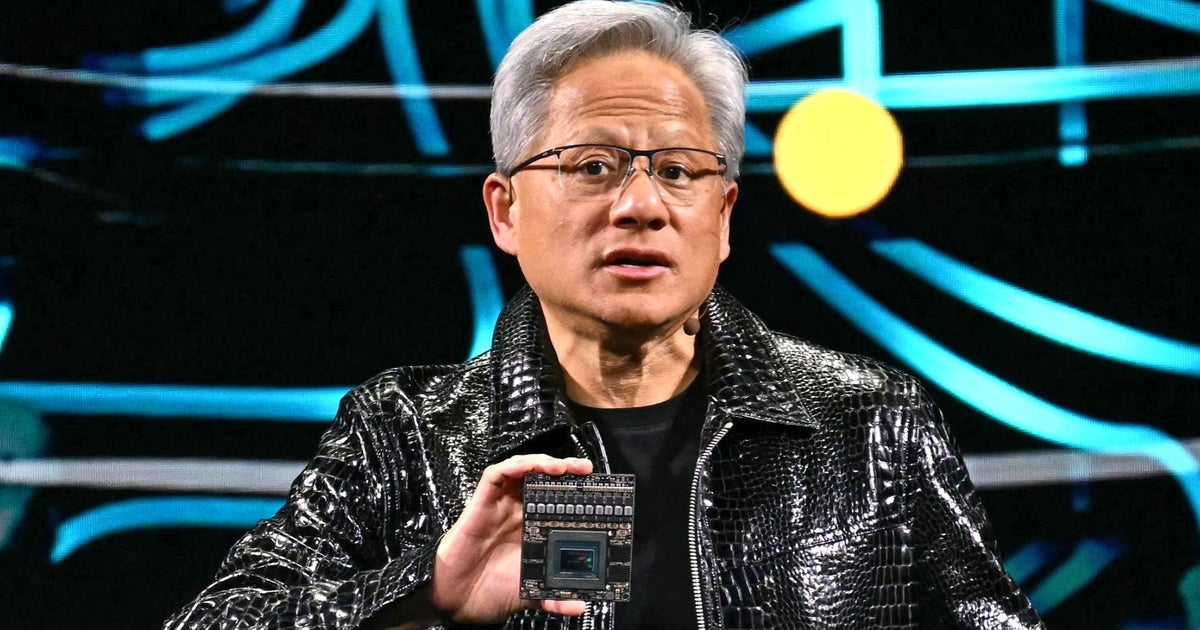
Nvidia CEO Jensen Huang admitted to an affair with an alleged Chinese spy, triggering a board investigation led by Wachtell Lipton partner Joon Kim. Shareholders have filed lawsuits alleging Huang and the company misled investors about national security risks tied to the relationship, and the FBI is now investigating the matter at Trump's direction.
Key points
Market impact. Nvidia stock plunged 8% on the news, erasing hundreds of billions in market value from the chipmaker. The scandal raises succession questions on Wall Street and threatens Nvidia's standing as the linchpin of the AI infrastructure trade at a moment when the company's valuation and leadership are under unprecedented scrutiny.
Broader implications. The affair exposes potential national security vulnerabilities in U.S. AI leadership during peak U.S.-China competition for semiconductor dominance. The investigation outcome could reshape Nvidia's governance and influence how tech boards handle executive conduct tied to foreign intelligence concerns.
Sources (4)CBS News, CBS Money Watch, New York Post Business
Anthropic priced its IPO at $70 to $78 per share, targeting a $1.404 trillion market capitalization—a significant markdown from earlier $2 trillion expectations. The seven co-founders will each cash out approximately $250 million in the offering, with trading expected to begin November 19.
Key points
Market impact. The repriced valuation signals investor caution on AI startup multiples despite strong revenue momentum. Anthropic's IPO will be one of the largest ever, but the valuation reset reflects broader skepticism about AI company profitability and the sector's ability to justify mega-cap pricing in a rising-rate environment.
Broader implications. The IPO marks a watershed moment for generative AI companies seeking public capital. A successful debut at this valuation could validate the AI infrastructure narrative; a weak reception would signal investor fatigue with unprofitable AI plays and constrain capital availability for the sector.
Sources (3)New York Post Business, TechCrunch, CNBC Top Stories
October consumer prices rose 0.4% month-over-month, exceeding economist forecasts and showing broadening price pressures across energy and food. Federal Reserve Governor Christopher Waller, a Trump appointee, signaled the central bank is preparing to raise rates, contradicting market expectations for a pause.
Key points
Market impact. The hotter CPI print and Waller's hawkish commentary sent the 10-year Treasury yield back near 5%, pressuring equities and reversing recent rally momentum. Traders are now pricing near-certain odds of a 25 basis point rate hike at the Fed's December 18 meeting, complicating the post-election rally narrative.
Broader implications. Sticky inflation undermines the case for aggressive Fed easing and suggests the central bank may hold rates higher for longer than markets priced in. This dynamic pressures growth stocks and high-multiple tech names while supporting defensive sectors and fixed-income assets.
Sources (3)The Washington Post, New York Times Business, CNBC Economy
The national average gasoline price fell to $3.98 per gallon, the lowest since July, driven by Trump's signaling that he will not strike Iran and a sharp decline in crude oil. Petroleum expert Patrick De Haan predicts prices could reach $3.75 by Thanksgiving.
Key points
Market impact. Lower gas prices provide modest consumer relief but mask stubborn inflation in other categories. Energy's decline may ease headline CPI readings in coming months, but core inflation remains elevated, limiting the Fed's ability to cut rates aggressively.
Broader implications. Geopolitical de-escalation with Iran reduces oil supply risk and supports consumer purchasing power heading into the holiday season. However, persistent non-energy inflation keeps the Fed's policy path constrained and limits the tailwind for discretionary consumer stocks.
Sources (3)New York Post Business, NPR Business, CBS Money Watch
Elon Musk announced Tesla will refund "a lot" of Cybertruck deposits because order demand far exceeds production capacity before the truck exits production in mid-2027. Musk defended the decision to end Cybertruck production, signaling the company's pivot toward other vehicle platforms.
Key points
Market impact. The deposit refunds represent a cash outflow and signal demand management challenges for Tesla's flagship product. The announcement undercuts the Cybertruck narrative as a growth driver and raises questions about Tesla's ability to scale production for new vehicle lines profitably.
Broader implications. Tesla's production constraints highlight the capital intensity and manufacturing complexity of new EV platforms. The move suggests Tesla is prioritizing profitability and capital efficiency over top-line growth, a strategic shift that could influence investor expectations for near-term revenue acceleration.
Negotiators from Russia, Ukraine, and the United States held three-way talks in Abu Dhabi aimed at ending the war, marking the first substantive diplomatic engagement since February. U.S. officials are proposing a "long-term security architecture" framework, while Zelenskyy reports Russia is escalating attacks ahead of the talks.
Key points
Market impact. Peace negotiations reduce geopolitical risk premium in energy and defense sectors. Oil markets could face downward pressure if talks signal a potential end to supply disruptions, while defense contractors may face valuation headwinds if conflict resolution appears imminent.
Broader implications. A diplomatic breakthrough could reshape European security architecture and reduce NATO's defense spending trajectory. However, Russia's simultaneous military escalation suggests Moscow may be negotiating from a position of strength, complicating prospects for a settlement favorable to Ukraine.
Sources (3)ABC News, The Guardian World News, CBS News
Strong bullish +801 sourcesoftbank · asian tech · semiconductor rally
SoftBank Group shares jumped 11% as Asian tech stocks rallied following a Wall Street rebound. Sharp declines in oil prices and renewed buying in semiconductor names overnight spilled over into morning trading across Asia, lifting sentiment broadly.
Key points
Market impact. The rally reflects risk-on sentiment driven by lower energy costs and semiconductor strength. SoftBank's exposure to tech and AI infrastructure positions it as a beneficiary of renewed sector momentum, though the move remains vulnerable to inflation and Fed policy shifts.
Broader implications. Asian tech's outperformance signals investor confidence in the region's semiconductor and AI plays despite macro headwinds. The rally underscores the sector's resilience and suggests capital is rotating back into growth names as geopolitical risks ease.
The 10-year Treasury yield surged back near 5% following the hotter-than-expected October CPI report and Federal Reserve Governor Christopher Waller's hawkish comments signaling rate hikes ahead. Goldman Sachs noted "the pieces are in place" for a shift higher in Treasury yields and global 10-year rates.
Key points
Market impact. Higher yields pressure growth and tech stocks while supporting financial sector valuations. The move reverses the post-election rally narrative and signals markets are repricing Fed policy expectations upward, creating headwinds for equities and raising refinancing costs for corporates.
Broader implications. A sustained move above 5% on the 10-year signals the market is losing confidence in the "soft landing" scenario and pricing in a more hawkish Fed. This dynamic could persist if inflation remains sticky, constraining asset valuations across risk categories and supporting bond positioning.
Strong bearish −532 sourcesbank of england · rate hike · lombardelli
Bank of England Deputy Governor Clare Lombardelli signaled the central bank is likely to raise its key interest rate again in the near future unless inflation evidence deteriorates. She warned young people in the UK are being hit by a "low-gear economy" driven by energy price rises and elevated unemployment.
Key points
Market impact. The hawkish signal from the BoE supports sterling and raises UK gilt yields, pressuring UK equities and growth-sensitive sectors. The commentary suggests the BoE will maintain a tighter policy stance longer than some markets expected, constraining credit conditions and consumer spending.