Democrats clinched a historic sweep of Congress in Tuesday's midterm elections, and U.S. equities surged Wednesday morning in response. The Dow Jones Industrial Average jumped more than 1,200 points, with stock futures rallying 700 points ahead of the open as investors repositioned for a divided government ending.
Key points
Market impact. The rally reflects investor relief over policy predictability and reduced regulatory uncertainty for major tech and financial firms. Bitcoin climbed toward $80,500 as risk assets broadly rallied, while the U.S. dollar slid on growth concerns and expectations of tighter AI regulation under Democratic oversight.
Broader implications. Democratic control of Congress signals potential investigations into Elon Musk and his companies, tougher antitrust scrutiny of Big Tech, and shifts in defense and healthcare spending. Historically, midterms precede strong equity performance, though political gridlock may temper aggressive policy moves.
Sources (3)New York Post Business, CBS Money Watch, CNBC Top Stories
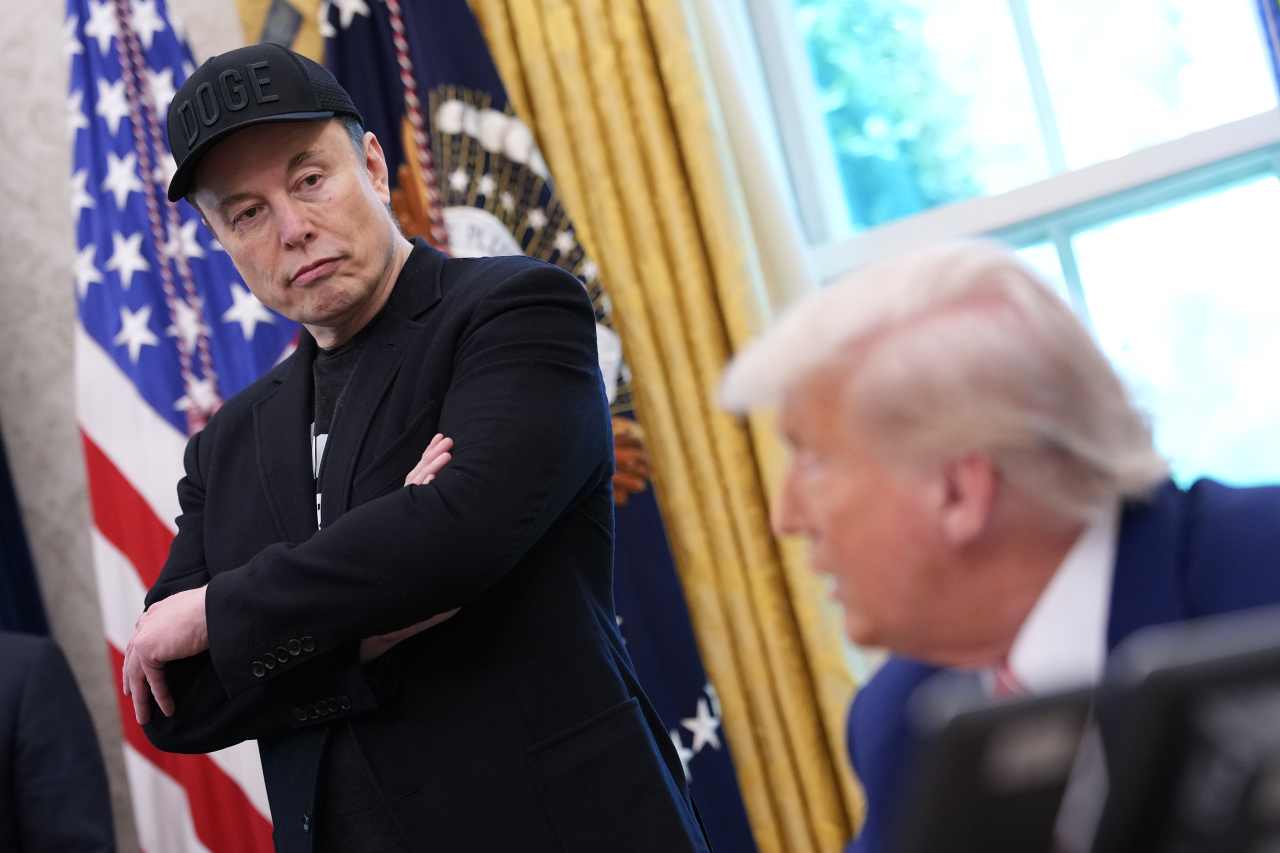
Tesla and SpaceX shares fell around 4% Wednesday after Democrats' midterm sweep, erasing gains from Musk's hundreds-of-millions-dollar election spending. Investors now face the prospect of Democratic-led congressional investigations into Musk and his companies, reversing the political tailwind he had anticipated.
Key points
Market impact. The selloff reflects repricing of regulatory and political risk for both companies. Tesla faces potential antitrust scrutiny and EV subsidy challenges under Democratic oversight, while SpaceX confronts heightened scrutiny of Starlink's national security role and government contracts.
Broader implications. Musk's political gamble has created a structural headwind for his equity valuations. Democratic control of Congress, combined with Musk's antagonism of the party, raises the likelihood of targeted regulatory pressure and investigation, a reversal from the favorable environment he had cultivated.
Sources (3)Market Watch, Business Insider, New York Times Business
CVS Health announced plans to split its pharmacy business from its insurance operations by 2028, reversing its $78 billion Aetna acquisition and dismantling the vertically integrated healthcare conglomerate model it spent a decade building. The separation surprised analysts and marks a fundamental strategic reversal.
Key points
Market impact. The breakup signals investor skepticism about integrated healthcare economics and may trigger sector-wide reassessment of similar models. Standalone pharmacy and insurance entities will face distinct margin pressures and competitive dynamics, likely resulting in lower combined valuations than the current conglomerate structure.
Broader implications. The move reflects structural headwinds in pharmacy margins and insurance profitability that integration failed to resolve. It also signals potential regulatory or competitive pressure that made the combined model untenable, with implications for other healthcare conglomerates pursuing similar strategies.
Sources (3)Market Watch, New York Times Business, CNBC Business
Marvell Technology agreed to acquire optical connectivity specialist Lumentum Holdings in an all-stock deal valued at $115 billion, one of the largest tech acquisitions on record. The merger positions the combined entity to capture surging demand for AI data center infrastructure and high-speed networking.
Key points
Market impact. Shareholders of both companies initially panned the deal, with stock prices falling Monday on valuation concerns and execution risk. The all-stock structure dilutes Marvell shareholders while betting heavily on sustained AI infrastructure spending and the merged company's ability to compete against larger rivals.
Broader implications. The deal reflects intense consolidation in semiconductor and optical networking as companies race to capture AI infrastructure buildout. It also signals confidence in sustained data center capex, though integration risks and potential regulatory scrutiny under Democratic oversight could complicate execution.
Sources (3)YouTube - Yahoo Finance, TechCrunch, CBS Money Watch
SpaceX and Qualcomm signed a multiyear agreement for Qualcomm to supply network technology and base station components for Starlink Mobile's emerging 5G cellular service. The partnership marks Qualcomm's expansion beyond handsets into satellite-terrestrial hybrid networks and positions it as a key infrastructure vendor for SpaceX's mobile ambitions.
Key points
Market impact. The deal provides Qualcomm with new revenue streams outside the smartphone market, where it has lagged in the semiconductor rally. Starlink Mobile represents a high-growth opportunity, though execution risk remains significant and the partnership's commercial viability depends on regulatory approval and competitive positioning against terrestrial carriers.
Broader implications. The partnership signals convergence of satellite and terrestrial networks as a strategic priority for both companies. Democratic control of Congress may increase scrutiny of Starlink's national security implications and spectrum allocation, potentially complicating the venture's regulatory path.
Sources (3)Market Watch, The Verge, CNBC Top Stories
Strong bullish +413 sourcesdata center · construction · spending
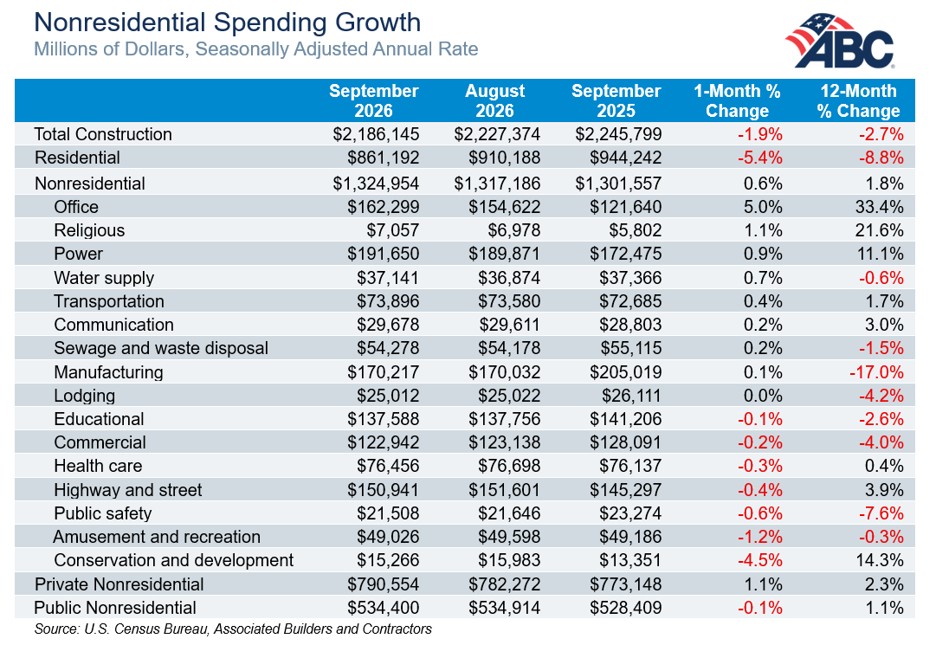
U.S. nonresidential construction spending rose 0.6% in September, with data center spending jumping 8.6% month-over-month and growing at a 217% annualized rate since the AI boom accelerated. Data centers have become the primary driver of nonresidential construction activity, offsetting weakness in other categories.
Key points
Market impact. The surge supports valuations of semiconductor, networking, and infrastructure companies supplying data center buildout. It also bolsters construction and industrial stocks benefiting from facility expansion. The data validates sustained AI capex expectations and suggests the infrastructure cycle remains robust despite macro headwinds.
Broader implications. The concentration of capex in data centers reflects structural shift toward AI and cloud computing. Sustained spending at this pace could strain supply chains and labor availability, while also signaling confidence in long-term AI monetization among major cloud and tech firms.
Sources (3)Construction Business Owner, Construction Dive, Construction Executive
Saudi Aramco reported third-quarter net profit up 35% year-over-year, driven by higher oil prices that more than compensated for damage from attacks on pipelines and refining facilities. The company's refining margins strengthened amid regional tensions, allowing it to maintain profitability despite operational disruptions.
Key points
Market impact. The results underscore the structural support for oil majors from elevated crude prices and geopolitical risk premiums. Aramco's resilience despite attacks signals that supply-side disruptions are being rapidly priced into markets, supporting energy sector valuations and dividend yields.
Broader implications. Aramco's performance reflects ongoing Middle East tensions and supply constraints that are likely to persist. The company's ability to maintain profitability despite attacks suggests the global energy market remains tight, with limited spare capacity to absorb further disruptions.
Sources (3)Economist Business, ABC News, New York Times Business
Binance disclosed that hackers exploited fake job interviews and a compromised internal AI tool to breach its wallet infrastructure and steal $6.3 billion in cryptocurrency. Attackers targeted employee computers through fraudulent recruiting on legitimate job platforms, then leveraged stolen credentials to access critical systems.
Key points
Market impact. The breach is the largest crypto hack on record and raises questions about Binance's security protocols and insurance coverage. It will likely trigger regulatory scrutiny and may accelerate institutional adoption of custody solutions with higher security standards, shifting market share toward more secure platforms.
Broader implications. The hack demonstrates that social engineering remains a critical vulnerability even at sophisticated firms. It will likely prompt Democratic-led Congress to demand stricter crypto exchange regulations and consumer protections, potentially accelerating regulatory pressure on the industry.
Walt Disney is planning several thousand layoffs and has directed managers to target 20% annual cost savings across divisions, signaling intensified pressure to improve profitability. The cuts reflect ongoing losses in streaming operations and weakness in traditional media segments.
Key points
Market impact. The layoff announcement has not moved Disney's stock materially, suggesting investors remain skeptical about the company's ability to achieve profitability targets through cost-cutting alone. The 20% savings target is aggressive and may require deeper structural changes to business units.
Broader implications. Disney's cost crisis reflects the structural challenge of competing in streaming against Netflix and other platforms while maintaining legacy media operations. The layoffs signal that management views the current cost structure as unsustainable, with implications for content quality and competitive positioning.
Sources (3)CNBC Business, New York Post Business, Market Watch