Strong bearish −473 sourcesnasdaq · ai spending · meta · tesla
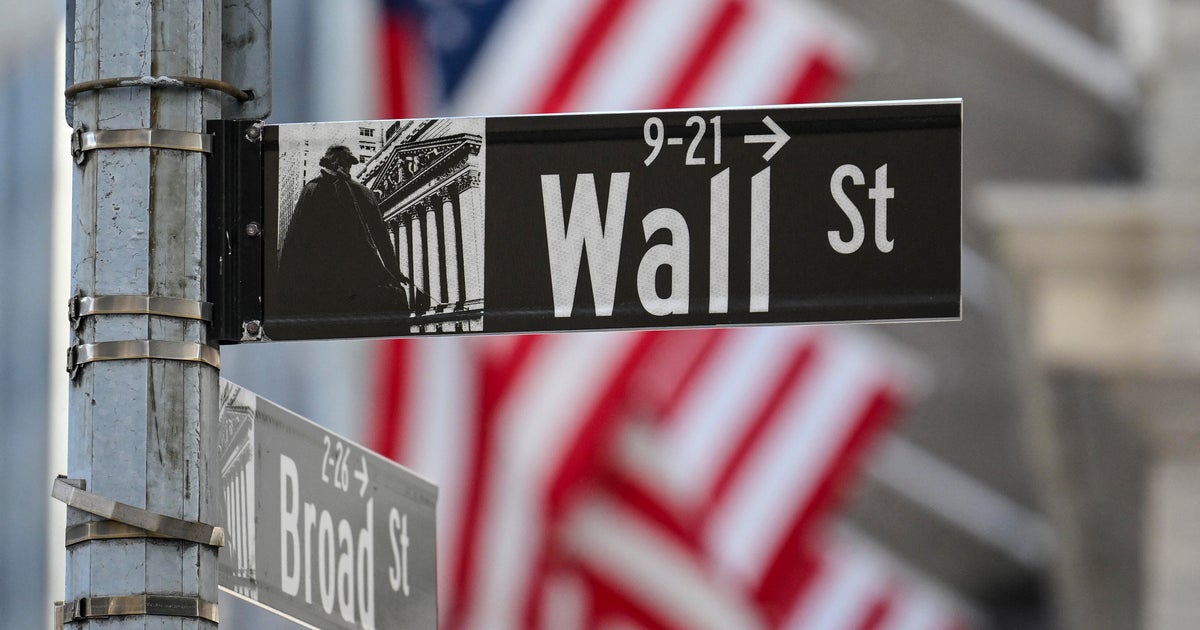
The Nasdaq fell more than 2% on Thursday—its worst day since June—as Meta Platforms and Tesla led declines among mega-cap names. Oil prices soared above $111 per barrel on Iran conflict concerns, while investors reassessed the massive debt loads AI companies are carrying to finance data center and chip buildouts.
Key points
Market impact. The selloff reflects a critical inflection point: the market is now pricing in whether AI's capital intensity can actually generate returns. Treasury yields tumbled below 5% as investors fled to safety, signaling real concern about credit stress in the AI infrastructure space. Expect volatility to persist until earnings clarify which AI players have viable unit economics.
Broader implications. This marks the end of the "build at any cost" phase. The AI boom is entering a reckoning period where profitability and cash flow matter again. Geopolitical risk—Iran tensions pushing oil higher—is now a secondary amplifier of equity weakness.
Sources (3)CBS Money Watch, CNBC Top Stories, New York Post Business
France's 10-year bond yield breached 5% for the first time in over two decades as the government faces intense pressure to slash spending while managing violent protests. Moody's is set to update its rating on French debt after U.S. markets close Friday, with downgrade risk now material.
Key points
Market impact. The move signals contagion risk in eurozone sovereign debt. French yields rising this sharply compress valuations across European fixed income and equities. A Moody's downgrade would widen spreads further and force institutional rebalancing out of French assets into safer havens like U.S. Treasurys.
Broader implications. France's fiscal deterioration exposes the fragility of the eurozone's political consensus. Unlike 2012, there is no ECB backstop narrative yet, leaving markets to price sovereign risk on fundamentals alone. This could force EU-wide policy coordination or risk a broader debt crisis.
Bullish +313 sourceselon musk · skydance · david ellison
Elon Musk has committed roughly $1 billion to David Ellison's Skydance, four years after Paramount's merger with Warner Bros. Discovery. The investment provides critical capital as Skydance seeks to cut costs and stabilize its stock price amid broader media sector turbulence.
Key points
Market impact. The deal signals Musk's confidence in Ellison's media strategy and his willingness to deploy capital outside Tesla and SpaceX. For Skydance, this is a lifeline that reduces refinancing risk and buys time to prove operational efficiency. Paramount and other legacy media stocks may face renewed pressure as Skydance gains financial flexibility.
Broader implications. Musk's media bet reflects his broader influence-building strategy across tech, defense, and entertainment. Ellison's Oracle pedigree and Musk's capital create a formidable combination in an industry facing AI-driven disruption and cord-cutting headwinds.
Sources (3)The Guardian Business, New York Post Business, TechCrunch
Barclays announced 5,000 job cuts—roughly 5% of its 93,000-person global workforce—as the bank increases reliance on AI to lower operating costs. The move comes as Barclays reported a jump in quarterly profits, signaling that efficiency gains are already materializing.
Key points
Market impact. Barclays' cost-cutting sets a template for the entire financial services sector. Expect similar announcements from other major banks as AI automation spreads through back-office, compliance, and customer service functions. This will pressure banking sector employment and may accelerate wage deflation in white-collar roles.
Broader implications. The Barclays move validates AI's near-term productivity narrative but raises systemic questions: if every bank cuts 5%, where do displaced workers go? This could fuel political pressure for AI regulation and retraining programs, particularly in the UK and EU.
Sources (3)The Guardian Business, New York Times Business, Market Watch
Bullish +162 sourcesspacex · tesla · merger · elon musk
Both SpaceX and Tesla have formed special committees to explore a potential merger, though Elon Musk has recused himself due to conflicts of interest. SpaceX now says any deal would require Musk's approval, creating a structural tension in the negotiation process.
Key points
Market impact. A SpaceX-Tesla combination would be unprecedented in scale and complexity, combining aerospace, automotive, and energy infrastructure. Tesla shareholders would face massive dilution; SpaceX's private valuation would determine deal terms. Regulatory scrutiny from the FCC, FAA, and antitrust authorities would be severe.
Broader implications. The merger talks reflect Musk's ambition to consolidate control over critical infrastructure—energy, transportation, and space. Approval would require navigating geopolitical sensitivities around SpaceX's defense contracts and Starlink's strategic importance.
Neutral 03 sourcespalmer luckey · warhound · military dogs
Warhound, Palmer Luckey's military dog startup, emerged from stealth Wednesday with $200 million in funding. The company equips genetically enhanced dogs with Luckey's defense technology to create what it calls "elite working dogs" for military and security applications.
Key points
Market impact. The venture signals a new frontier in defense tech: biological-technological hybrids. Luckey's track record with Oculus and Anduril gives the startup credibility with Pentagon procurement. Expect defense contractors to explore similar biotech-defense convergence plays.
Broader implications. Warhound sits at the intersection of genetic engineering, AI, and military autonomy—raising ethical and regulatory questions about weaponized biology. This will likely trigger congressional scrutiny and international concern about dual-use biotech applications.
U.S. crude held above $100 per barrel and Brent reached a five-month high as Iran signaled preparedness for military escalation. Reports of U.S. and Israeli strike planning pushed oil higher, with geopolitical risk now the dominant price driver.
Key points
Market impact. Oil above $110 compresses equity valuations and raises stagflation risk. Energy stocks benefit, but consumer discretionary and transportation sectors face margin pressure. A sustained spike above $120 would force Fed policy recalibration and could trigger recession fears.
Broader implications. Iran conflict risk is now a permanent market variable. Any escalation—whether strikes on Iranian oil infrastructure or Iranian retaliation against Gulf shipping—could spike oil to $130+, creating a stagflation shock that would dwarf current AI spending concerns.
Strong bearish −582 sourcesmoderna · cancer vaccine · trial data
Moderna's stock fell sharply after a premature leak of Phase 3 cancer vaccine data, even though the full results released later Thursday appeared positive by Wall Street expectations. The company and Merck are presenting the experimental cancer vaccine trial data at a medical conference this weekend.
Key points
Market impact. The sell-on-news reaction suggests the market had priced in a higher bar for efficacy or safety. Moderna's custom cancer treatment remains a key growth narrative, but this volatility signals investor caution around execution risk. Watch for analyst downgrades if efficacy trails peer programs.
Broader implications. Moderna's 2024 rally has been driven by cancer vaccine hype; any disappointment in trial data could trigger a significant revaluation. The leak itself raises governance questions about data security in biotech.
Neutral 02 sourcesjensen huang · nvidia · europe · ai infrastructure
Nvidia CEO Jensen Huang unveiled the DSX Pod—a plug-in data center designed for rapid deployment—at Nvidia's GTC conference in Berlin. Huang declared that "every company in Europe will become an AI company," positioning Nvidia's infrastructure as the enabler of continental AI adoption.
Key points
Market impact. The DSX Pod strategy addresses Europe's infrastructure gap and positions Nvidia to capture European AI capex before competitors. This could accelerate Nvidia's international revenue growth and reduce U.S. concentration risk. European cloud and telecom stocks may face margin pressure as Nvidia captures more of the AI infrastructure layer.