Trump has granted a lifeline to Russian energy buyers days before Lindsey Graham-backed sanctions take effect, calling it "an important and truly historic moment." Simultaneously, Iran is ramping up strikes on the Strait of Hormuz, though U.S. Central Command reports the vast majority of attacks are unsuccessful. Commercial shipping through this critical chokepoint faces mounting danger.
Key points
Market impact. Energy markets face conflicting signals: sanctions relief supports crude prices, but Strait of Hormuz disruption risk creates volatility. Oil majors and shipping stocks will trade on geopolitical risk premiums. Expect energy sector outperformance if sanctions pause holds and Hormuz remains navigable.
Broader implications. Trump's move signals a pivot toward Russia engagement, directly contradicting congressional hawks and escalating Ukraine tensions. Zelenskyy has warned the pause will intensify the war. The Hormuz flashpoint remains a global economic chokepoint—roughly 21% of petroleum passes through it daily.
CoreWeave's bonds issued six months ago have plummeted to 81 cents on the dollar, yielding over 15%, while credit default swaps have hit distress levels. The AI infrastructure provider's stock and debt are under simultaneous pressure as investors reassess the viability of capital-intensive AI buildouts. Wall Street analysts are split on whether the selloff is overblown or a canary in the coal mine.
Key points
Market impact. CoreWeave's credit signals are rattling the broader AI trade. High-yield debt in the AI infrastructure space faces repricing risk. Chipmakers, GPU suppliers, and other AI-adjacent equities could see contagion if CoreWeave's distress spreads to peers. Bond yields signal market skepticism about AI capex ROI timelines.
Broader implications. CoreWeave's troubles expose a fundamental tension: massive AI infrastructure investments require sustained revenue growth that may not materialize. If debt markets lose confidence in AI capex returns, funding for the entire ecosystem tightens, potentially slowing AI deployment across enterprise and cloud sectors.
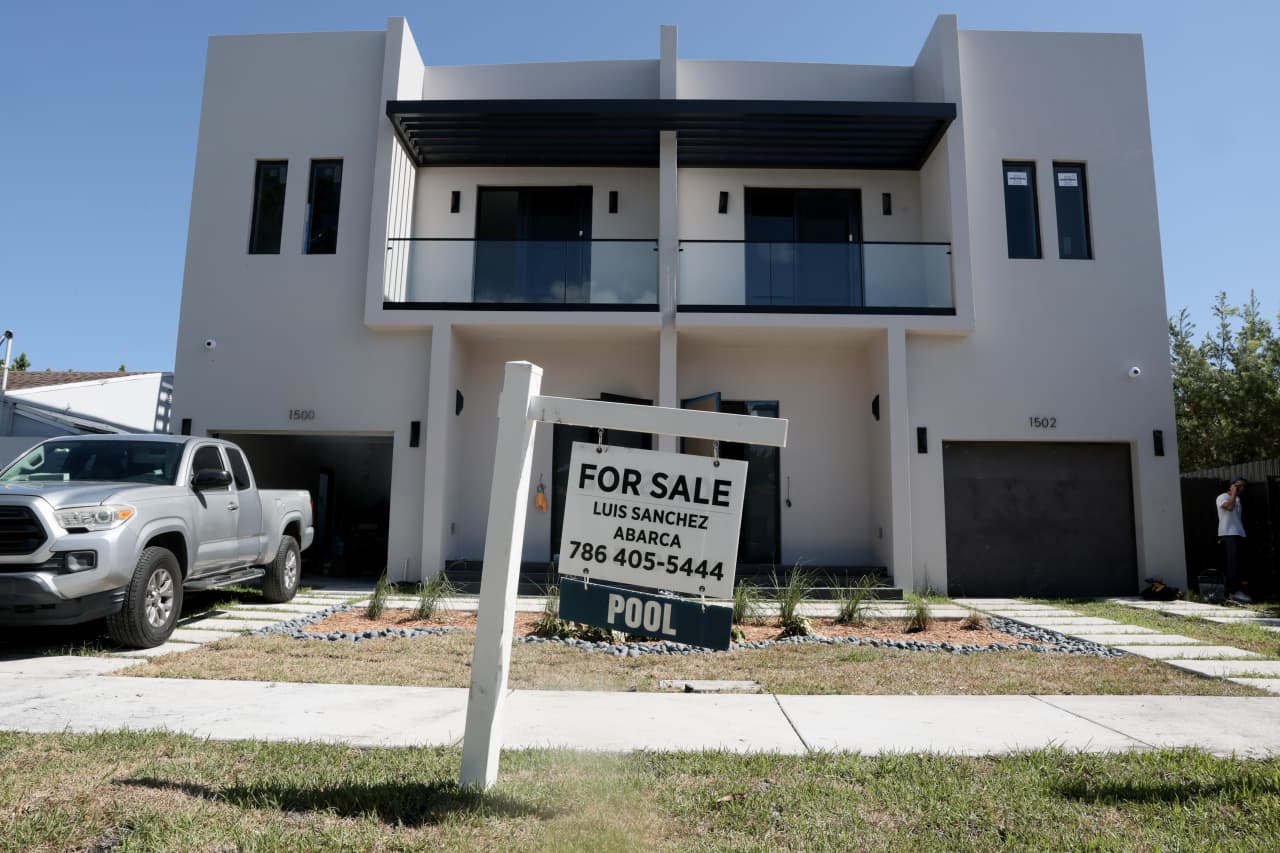
The average 30-year fixed mortgage rate has held steady at 7.4%, the highest level in nearly three years, compounding affordability challenges for traditional homebuyers. Individual investors and second-home buyers now account for 1 in 5 home purchases—the highest share in a decade—as institutional capital exploits pricing dislocations that exclude first-time buyers.
Key points
Market impact. Residential real estate bifurcates: institutional investors and cash buyers dominate while retail demand collapses. Mortgage REITs and non-bank lenders benefit from rate lock-in. Home builders face demand destruction in the entry-level segment, pressuring stock valuations. Mortgage servicers see refinance pipelines evaporate.
Broader implications. Sustained 7%+ rates are reshaping housing market structure, favoring capital-rich players over wage earners. This accelerates wealth concentration and reduces homeownership accessibility, with political implications heading into midterms. Housing affordability becomes a structural headwind for consumer spending and wealth accumulation.
Sources (4)Market Watch, ABC News, New York Times Business +1
The U.S. budget deficit has ballooned to nearly $2 trillion for fiscal 2026, up 12% in a single year and the largest since 2021. Higher interest rates are inflating borrowing costs while the Trump administration spends on Iran war operations and tariff refunds, creating a fiscal collision course. The deficit now represents 6.2% of GDP.
Key points
Market impact. Treasury yields face upward pressure as the government competes for capital to finance deficits. Long-duration bonds and equities with high discount rates face headwinds. The dollar may strengthen on safe-haven flows, pressuring emerging markets and commodity exporters. Expect volatility in rates markets as fiscal dynamics dominate Fed policy expectations.
Broader implications. Structural deficits constrain policy flexibility and raise long-term inflation risks. Washington's inability to address spending-revenue mismatches signals political dysfunction. If deficits persist above 5% of GDP, debt-to-GDP ratios will accelerate, eventually forcing fiscal consolidation or monetary accommodation—both market-negative scenarios.
Sources (3)New York Times Business, CNBC Economy, Market Watch
U.S. inflation jumped to 3.7% year-over-year in September, driven by surging gasoline costs and persistent core pressures, marking a 4-year high. Chicago Fed President Austan Goolsbee acknowledged that elevated inflation has become a "fact of life" in the U.S., raising concern that consumers may anchor expectations higher. The data arrives ahead of midterm elections, adding political pressure.
Key points
Market impact. Bond markets are repricing rate-cut expectations downward; long-duration treasuries face selling pressure. Equities with high earnings multiples and low cash flow yields are vulnerable. Inflation-hedging assets—commodities, TIPS, and real assets—outperform. Fed funds futures now price in a higher terminal rate than previously expected.
Broader implications. If inflation expectations become unanchored, the Fed loses control of the narrative and must raise rates more aggressively, risking recession. Persistent inflation also erodes real wages and consumer purchasing power, dampening growth. The political calendar adds urgency—inflation is the top voter concern heading into elections.
Strong bearish −725 sourcescharacter.ai · disney · bankruptcy
Character.AI, an interactive chatbot platform that amassed millions of users in just five years, has filed for bankruptcy and agreed to sell assets to Disney for $20 million. Disney is also paying $60 million to 66 employees from the startup, signaling acquisition-style compensation despite the bankruptcy filing. The deal comes roughly a year after Disney issued a cease-and-desist letter over licensing disputes.
Key points
Market impact. Character.AI's collapse raises questions about unit economics in consumer AI. Venture-backed AI startups with large user bases but unproven monetization face valuation pressure. Disney's $20 million asset purchase price—a fraction of typical Series funding rounds—signals market skepticism on AI startup valuations. AI-focused venture funds may see portfolio writedowns.
Broader implications. Character.AI exemplifies the gap between user growth and sustainable business models in AI. High user engagement does not guarantee profitability or defensible IP. The bankruptcy suggests a wave of AI startup consolidation ahead, with acquirers cherry-picking assets at distressed valuations rather than funding independent growth.
Federal Reserve Chair Kevin Warsh remained tight-lipped on the path for interest rates at a recent conference, refusing to signal the rate hold that traders widely expect in October. Warsh's rejection of traditional Fed communication practices—forward guidance and explicit signaling—has created uncertainty about the central bank's next move despite hot inflation data. Investors are now hedging for potential rate surprises.
Key points
Market impact. Warsh's opacity increases volatility in rates markets and equity index futures. Bonds face repricing risk if the Fed surprises with a hike; equities rally if a cut materializes. The lack of clear communication undermines the Fed's credibility as a market stabilizer. Implied volatility in swaptions and rate derivatives will likely spike ahead of the October decision.
Broader implications. Warsh's communication style represents a break from decades of Fed transparency doctrine. If the Fed abandons forward guidance, markets lose a key anchor for expectations, increasing financial instability. The approach also raises questions about Warsh's inflation-fighting credibility—silence amid 4-year-high inflation may signal weakness or ideological drift.
Sources (3)CNBC Economy, New York Post Business, New York Times Business
Elon Musk unveiled Tesla's 2026 Roadster equipped with SpaceX rocket thrusters at a SpaceX facility, reigniting Wall Street speculation about a potential Tesla-SpaceX merger. The vehicle, priced above $200,000, showcases cross-company technology integration and serves as a talent recruitment tool. Analysts remain divided on merger feasibility, with some viewing it as empire consolidation and others as pure theater.
Key points
Market impact. Tesla stock could see volatility if merger rumors intensify; a deal would require massive capital restructuring and regulatory approval. SpaceX's private status complicates valuation. Aerospace and defense contractors may view a Tesla-SpaceX combination as competitive threat. Musk's attention split between companies could pressure Tesla's operational execution and stock performance.
Broader implications. A Tesla-SpaceX merger would create an unprecedented conglomerate spanning electric vehicles, space launch, satellite internet, and energy storage. Regulatory scrutiny would be intense given Musk's existing market dominance. The flying Roadster itself remains speculative technology with unclear commercial viability and regulatory pathway.