Chip stocks fell for eight consecutive trading days, marking their longest losing streak in nearly two decades. The selloff reflects mounting concerns about the debt burden required to build out AI infrastructure and questions about whether the capex cycle can justify valuations.
Key points
Market impact. Applied Materials (AMAT) and Lam Research (LRCX) have been hit hardest, with AMAT down 3.7% on analyst downgrades and LRCX hitting its longest losing streak on record. The sector-wide pressure signals a potential rotation away from AI infrastructure plays and threatens the narrative that underpinned tech's rally.
Broader implications. This marks the first serious test of whether the AI capex supercycle can sustain itself. If debt concerns persist, it could trigger a broader repricing of high-growth tech and force a reassessment of which companies can actually monetize their AI investments.
Strong bearish −663 sourcestrump · russia sanctions · ukraine
President Trump has waived virtually all new Russia sanctions he had signed, putting on hold restrictions passed by Congress and championed by late Senator Lindsey Graham. The move comes as Russian strikes on Ukraine's power plants continue and winter approaches.
Key points
Market impact. Energy markets and defense contractors face uncertainty. Oil and gas prices could benefit from reduced sanctions pressure on Russian exports, while defense spending tied to Ukraine aid faces political headwinds. Geopolitical risk premiums may compress if markets interpret this as a signal toward negotiated settlement.
Broader implications. Zelenskyy has called the waiver a "reward" for Putin and warned it will intensify the war. This signals a fundamental shift in U.S. policy toward Ukraine and raises questions about the durability of Western sanctions regimes more broadly, with implications for future conflicts and deterrence.
Sources (3)CBS News, The Guardian World News, The Guardian US News
The average 30-year fixed mortgage rate has held steady at 7.4%, its highest level in nearly three years. Combined with elevated home prices, the affordability crisis is deepening, with forecasts suggesting rates may remain above 7% into 2027.
Key points
Market impact. Homebuilders face demand destruction; mortgage REITs benefit from higher rates but face refinancing headwinds. Consumer discretionary spending tied to home purchases and furnishings will contract. The housing market slowdown could ripple into construction employment and related sectors.
Broader implications. Persistent high rates are reshaping household balance sheets and wealth accumulation patterns, particularly for younger buyers. This could amplify wealth inequality and dampen long-term consumer confidence, with macro implications for GDP growth and Fed policy flexibility.
Sources (3)ABC News, New York Times Business, New York Times Economy
Neutral +73 sourcescanada military · CFB Wainwright · alberta incident
A major fire broke out at CFB Wainwright in Alberta following a serious incident that resulted in multiple fatalities and injuries. Defense Minister David McGuinty confirmed the incident is "very, very active and delicate," with the fire spreading toward nearby communities due to strong winds.
Key points
Market impact. Direct market impact is limited, though defense procurement and military readiness discussions may follow. Insurance and emergency response contractors could see activity uptick. The incident may prompt reviews of base safety protocols and infrastructure investment.
Broader implications. This represents a significant security incident at a major Canadian military installation during a period of heightened geopolitical tension. The incident will likely trigger federal inquiries and may influence defense spending and base modernization priorities.
Neutral +72 sourcesstrait of hormuz · iran · shipping
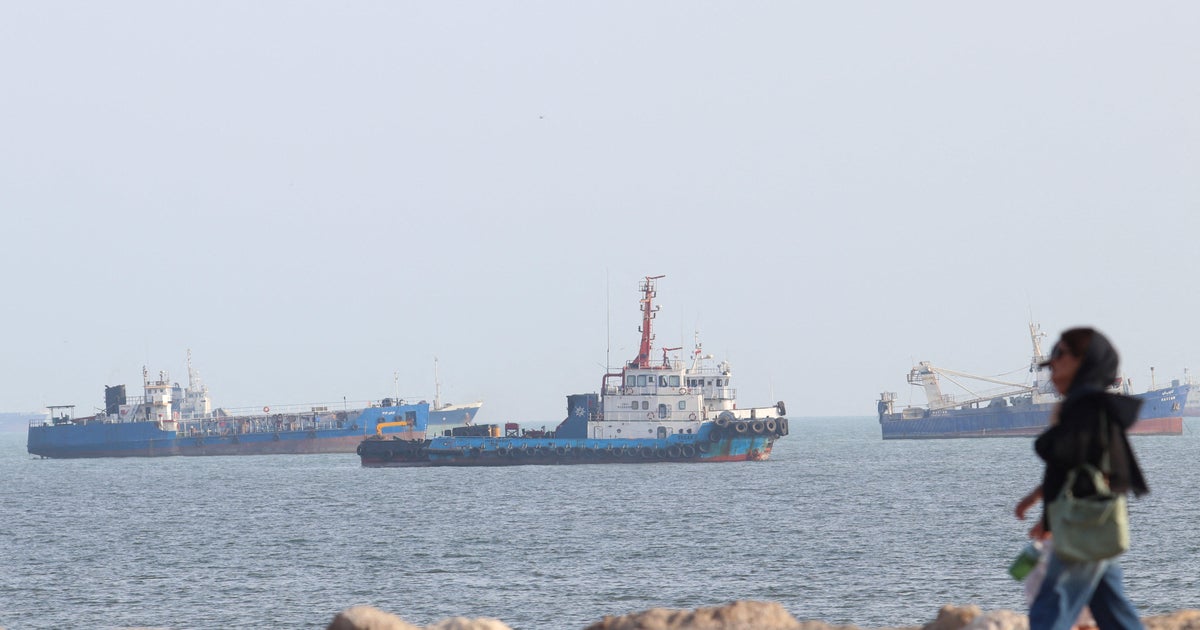
Iran has stated the Strait of Hormuz will reopen only if the U.S. leaves the Middle East, while strikes on commercial vessels in the waterway have ramped up, making the critical shipping route increasingly unsafe. The U.S. Navy maintains the strait remains open, but the threat level is rising.
Key points
Market impact. Oil prices face upward pressure from supply disruption risk; shipping insurance and freight costs are rising. Energy companies with Middle East exposure face hedging costs. Tanker operators and maritime logistics firms see volatility in contract pricing and route planning.
Broader implications. One-third of global seaborne oil transits the Strait of Hormuz. Sustained escalation could trigger a geopolitical risk premium in crude that persists regardless of actual blockade, affecting global inflation and central bank policy calculus.
The S&P 500's technology sector posted its worst week in a year and a half, while an equal-weighted version of the index outperformed. Nearly 40% of S&P 500 constituents are now in bear market territory, revealing a significant divergence between headline index strength and underlying breadth.
Key points
Market impact. Mega-cap tech stocks that have driven index gains are losing momentum to value and small-cap plays. Investors rotating into beaten-down sectors may find opportunities, but this also signals reduced earnings growth expectations for the companies that have anchored the bull case.
Broader implications. The S&P 500's headline strength masks deteriorating breadth, a classic warning sign of market fragility. If leadership continues to narrow or if the rotation reverses, it could expose the index to sharper downside as the concentration risk unwinds.
Oklahoma families endured the hottest summer on record, driving unprecedented demand for power and triggering an electricity crisis. The combination of extreme heat, aging grid infrastructure, and rising demand is creating acute strain on the state's energy system.
Key points
Market impact. Utilities serving Oklahoma face margin pressure from peak demand and potential regulatory intervention on pricing. Energy infrastructure stocks and grid modernization contractors may see increased capex opportunities. Consumer spending on discretionary items will be redirected to utility bills.
Broader implications. This is a harbinger of climate-driven infrastructure stress across the U.S. as extreme weather becomes more frequent. It underscores the need for grid investment and raises questions about the adequacy of current utility regulation and pricing models to fund necessary upgrades.
Strong bearish −571 sourcecondé nast · uk profits · vogue
Condé Nast's UK operations saw profits drop by more than one-third, driven by restructuring costs and operational headwinds. The company has ruled out selling its Vogue publisher unit despite the profit decline, signaling confidence in the brand's long-term value despite near-term weakness.
Key points
Market impact. Condé Nast's parent company Advance Publications faces pressure to demonstrate turnaround progress in legacy media. Advertising-dependent publishers face headwinds from digital competition and economic uncertainty. The decision to retain Vogue suggests management believes the brand can stabilize.
Broader implications. Traditional media companies continue to struggle with profitability as digital disruption persists. Condé's UK performance reflects broader challenges in print and digital advertising markets, particularly in luxury segments sensitive to consumer confidence.