Strong bearish −763 sourceswholesale · inflation · energy
U.S. wholesale inflation jumped 6.3% year-over-year in September, the highest level since 2022, driven by soaring energy costs that caught economists off guard. The producer-price index rose 1.3% month-over-month, more than triple the 0.4% increase in August, signaling persistent cost pressures at the factory gate.
Key points
Market impact. The hotter-than-expected print pressures the Fed's inflation narrative and threatens to keep Treasury yields elevated above 5%, raising borrowing costs across mortgages, corporate debt, and government financing. Energy-sensitive sectors face margin compression; Bitcoin miners including TeraWulf, Core Scientific, and Cipher Mining already shed 12%+ on the inflation shock.
Broader implications. Retailers and consumer-facing companies will likely pass costs downstream through the holiday season, contradicting the soft-landing narrative. Fed Chairman Kevin Warsh's recent refusal to pre-commit on rate cuts now looks prescient given the inflation persistence.
Sources (3)New York Post Business, The Daily Caller, ABC News
Strong bearish −793 sourcescoreweave · ai · credit
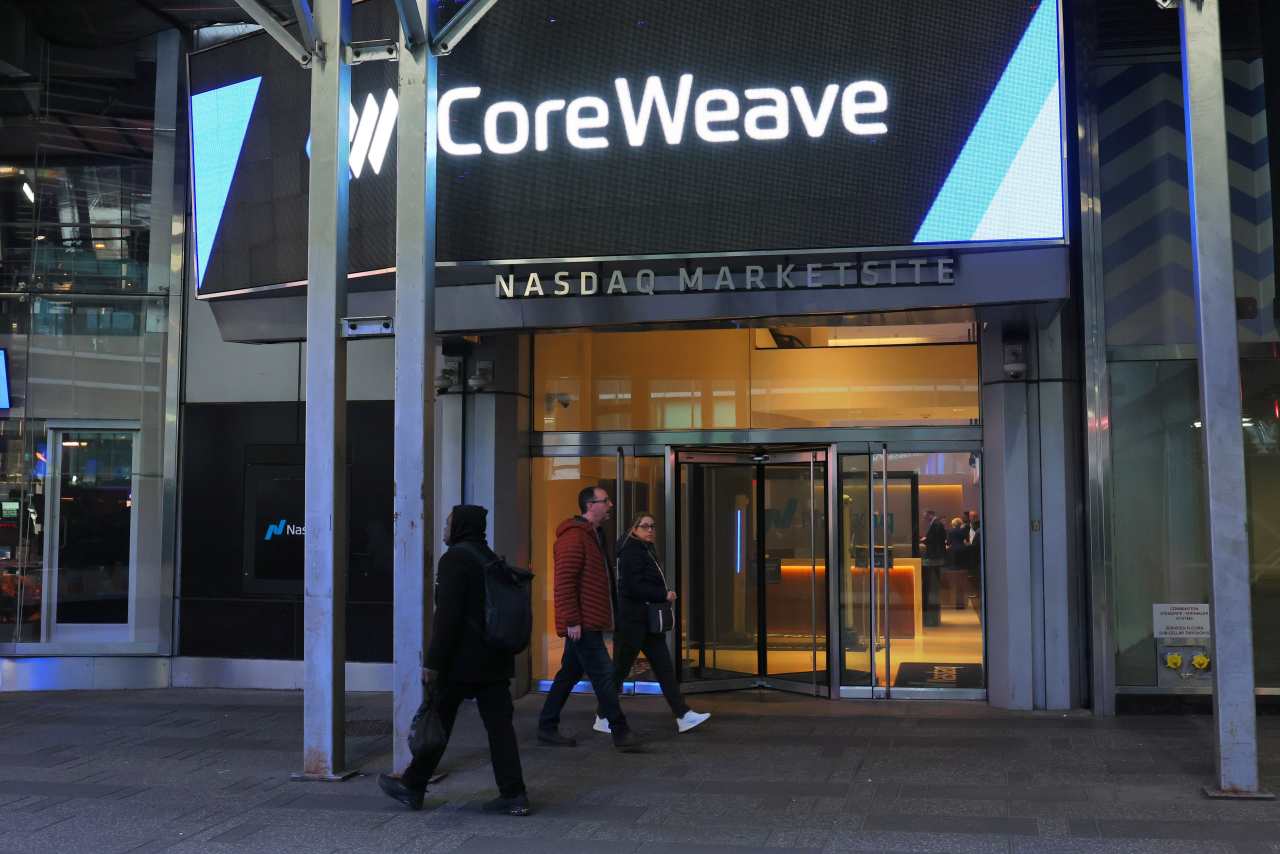
CoreWeave's bonds issued six months ago have cratered to 81 cents on the dollar, with yields blowing out past 15%, while the stock fell 15% as credit default swap spreads widen sharply. The AI infrastructure provider's debt distress signals investor concern about the sustainability of the AI capex borrowing binge.
Key points
Market impact. The move threatens to tighten credit conditions for other high-leverage AI plays and raises refinancing risk for companies dependent on cheap debt to fund GPU and data center buildouts. Broader AI equity valuations face headwinds if debt markets price in higher default risk across the sector.
Broader implications. CoreWeave's distress is a canary-in-the-coal-mine for the AI infrastructure bubble; if capex growth cannot justify debt loads at higher rates, a wave of restructurings could follow. This undermines the bull case for unlimited AI spending and forces a reckoning on returns on invested capital.
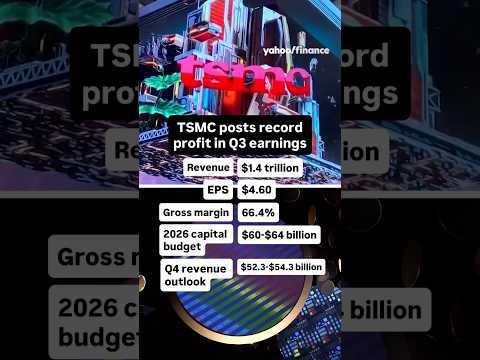
Taiwan Semiconductor Manufacturing Company reported third-quarter net profits of 763.34 billion New Taiwan dollars (approximately $1.4 trillion in annualized run rate), marking its sixth straight record quarter as AI chip demand remains insatiable. CEO Morris Chang signaled no signs of slowdown ahead.
Key points
Market impact. TSMC's dominance in advanced chip fabrication for AI accelerators cements its moat and justifies premium valuation; the company's capacity constraints remain a pricing lever. Competitors like Samsung and Intel face widening profitability gaps, pressuring their stock multiples and capex plans.
Broader implications. Taiwan's economic and geopolitical importance deepens as TSMC becomes the critical chokepoint for global AI infrastructure; any cross-strait tension directly threatens U.S. and allied AI supply chains. The company's sustained profitability also validates the AI capex thesis, though CoreWeave's troubles suggest not all players will survive the consolidation.
Sources (3)YouTube - Yahoo Finance, Market Watch, CNBC Top Stories
The average 30-year fixed-rate mortgage held steady at 7.4% this week, remaining at its highest level since 2022, as elevated Treasury yields and sticky inflation expectations keep borrowing costs punitive. Affordability metrics have deteriorated sharply, with home prices remaining elevated despite the rate shock.
Key points
Market impact. Housing starts and mortgage applications face continued headwinds; homebuilder stocks and mortgage REITs remain under pressure. Consumer discretionary spending may weaken as would-be buyers delay purchases, pressuring retail and construction-linked equities.
Broader implications. The housing market's weakness contradicts the Fed's soft-landing narrative and could trigger a demand destruction cycle if rates remain above 7% into 2027. Political pressure on the Fed to cut rates will intensify as homeownership drifts further out of reach for middle-income households.
Sources (3)ABC News, New York Times Business, New York Times Economy
Ukraine has resumed strikes on Russian oil refineries after a brief pause, directly defying Trump's call for an energy ceasefire and prompting the U.S. president to call Zelenskyy "more difficult to deal with than Putin." Russia responded with swarms of drone attacks on Ukrainian infrastructure in central regions.
Key points
Market impact. Oil price volatility will spike on supply disruption fears; energy stocks and commodity-linked assets face renewed uncertainty. Geopolitical risk premiums widen, pressuring equities and supporting safe-haven assets like Treasuries and gold.
Broader implications. The collapse of Trump's ceasefire signals the limits of U.S. leverage over Kyiv and raises questions about the durability of any negotiated settlement. Escalating drone and missile strikes threaten European energy security heading into winter, complicating geopolitical stability and NATO cohesion.
Sources (3)The Guardian World News, Foreign Policy
KFC is switching from PepsiCo to Coca-Cola as its beverage supplier for U.S. restaurants for the first time in decades, marking a significant loss for Pepsi in the soda wars. The partnership shift reflects broader momentum toward Coca-Cola as competitors defect and consumer preferences shift.
Key points
Market impact. PepsiCo (PEP) faces revenue headwinds from the loss of a major QSR partner and signals weakness in its beverage segment recovery efforts. Coca-Cola (KO) gains distribution and reinforces its competitive moat; the stock outperforms on the news while PEP underperforms.
Broader implications. The KFC loss accelerates PepsiCo's pivot toward snacks and non-carbonated beverages but signals that its core soda business faces structural decline. Coca-Cola's dominance in QSR partnerships becomes harder to dislodge, cementing its pricing power and margin resilience.
Sources (3)Market Watch, New York Post Business, CNBC Business
More than a third of S&P 500 constituents are trading in bear market territory (down 20%+ from highs), masking the index's overall strength which is driven by a narrow cohort of mega-cap AI and tech stocks. The divergence signals that breadth deterioration is accelerating beneath headline index performance.
Key points
Market impact. Rotation risk intensifies; if mega-cap tech momentum breaks, the entire index faces a sharp drawdown given its heavy concentration. Small-cap and mid-cap indices already reflect the weakness, with Russell 2000 and equal-weight S&P 500 underperforming significantly.
Broader implications. The breadth collapse suggests the market is pricing in a bifurcated economy where AI winners thrive while traditional and cyclical businesses struggle under inflation and higher rates. A correction in the "Magnificent Seven" would expose the fragility of the broader market structure.
Fed Chairman Kevin Warsh declined to endorse or push back on colleagues' signals about rate-cut timing at the IMF gathering, stating the central bank is "no longer in the business of previewing its decisions." His remarks came after hotter-than-expected inflation data raised questions about the pace of easing.
Key points
Market impact. Warsh's hawkish hold-the-line stance pressures rate-sensitive equities and keeps Treasury yields elevated, supporting the dollar and pressuring emerging markets. Expectations for aggressive 2025 rate cuts fade, extending the higher-for-longer regime that benefits financials but pressures growth stocks.
Broader implications. Warsh's refusal to pre-commit on cuts signals the Fed's concern about inflation persistence and its willingness to tolerate higher real rates to anchor expectations. This stance contradicts market pricing and sets up potential volatility when the Fed's actual path diverges from consensus expectations.
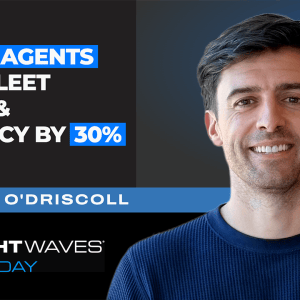
Samsara has made its no-code Agent Studio platform generally available, reporting 7x adoption growth as enterprises deploy AI agents for physical operations tasks. The platform enables customers to build autonomous agents for fleet safety and efficiency improvements of up to 30% without requiring coding expertise.