Strong bullish +444 sourcesspacex · tesla · merger
Elon Musk announced that SpaceX and Tesla boards have formed special committees to explore a merger, with Musk stating the deal has "a lot of merit." SpaceX reported third-quarter revenue of $14.6 billion, up 161% year-over-year, while Musk claimed the combined entity could hit $1 trillion in revenue by 2028. Both companies' stocks surged on the news, with SpaceX shares jumping 10% in after-hours trading.
Key points
Market impact. A SpaceX-Tesla merger would create a mega-cap entity consolidating Musk's holdings in aerospace, automotive, AI (via Grok), and social media (X). The deal would likely be the largest merger in history by valuation. Tesla and SpaceX equity holders are pricing in synergy expectations, though regulatory scrutiny over Musk's consolidated control remains a wild card.
Broader implications. The merger signals Musk's ambition to vertically integrate AI infrastructure, satellite connectivity, and autonomous systems under one roof. SpaceX's blowout earnings validate the commercial space market's maturation, while the deal's feasibility hinges on shareholder approval and potential antitrust challenges given Musk's already-dominant position across multiple sectors.
Sources (4)New York Post Business, New York Times Business, The Guardian Business
The AI infrastructure buildout is facing a profitability "gut check" as investors increasingly question whether the billions deployed into data centers will generate returns. HSBC's CEO warned that not every data center campus will be a sound investment, while earnings season reveals that roughly half of S&P 500 earnings growth is now attributable to AI-related spending, raising sustainability concerns.
Key points
Market impact. Semiconductor and infrastructure stocks face renewed volatility as the market differentiates between winners and losers in the capex race. Companies with unproven AI monetization models face valuation compression, while those demonstrating clear revenue traction from AI deployments command premiums. Nvidia, Super Micro Computer, and hyperscalers with proven demand pipelines remain favored, but fringe players face margin pressure.
Broader implications. The AI boom's sustainability depends on enterprise and cloud providers demonstrating tangible productivity gains and revenue uplift from AI workloads. If capex spending continues to outpace revenue generation, a significant correction in tech valuations could follow, particularly in companies without diversified revenue streams.
Sources (3)CNBC Top Stories, Market Watch, CNBC Finance
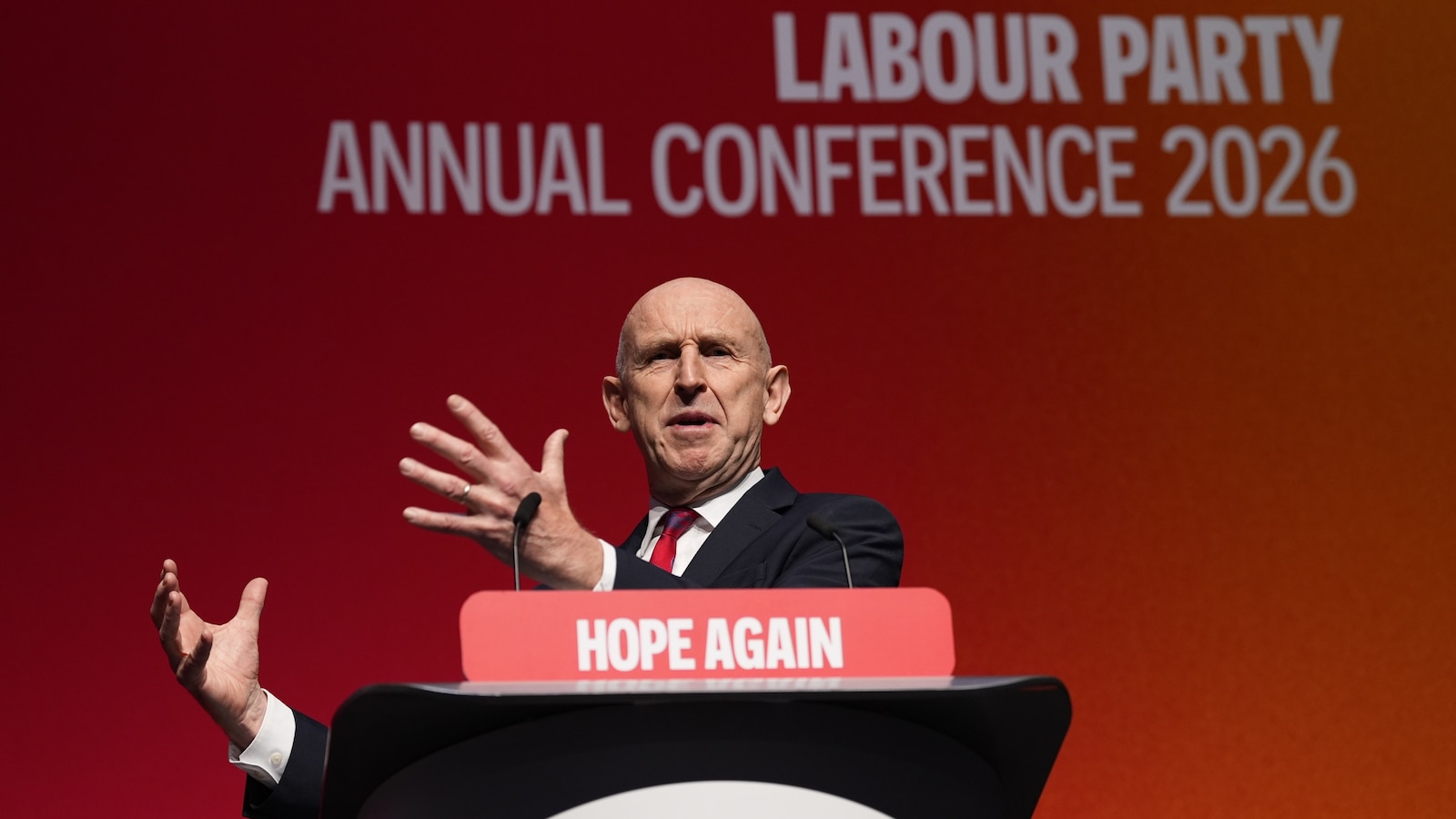
UK inflation accelerated to 3.5% in the 12 months to September, the highest rate in nearly a year, driven primarily by surging motor fuel prices tied to Middle East tensions. The Office for National Statistics reported the jump from 3.1% in August, catching forecasters off guard and reinforcing expectations for further Bank of England rate hikes despite prior guidance suggesting a pause.
Key points
Market impact. Sterling strengthened on rate-hike expectations, while gilt yields rose as markets repriced BoE policy. UK-focused equities face headwinds from higher borrowing costs, though energy and commodity exporters may benefit from elevated oil prices. Consumer discretionary stocks are under pressure as real wage growth erodes further.
Broader implications. The inflation surprise underscores the fragility of the post-pandemic disinflation narrative and the persistent vulnerability of developed economies to geopolitical oil shocks. The BoE faces a policy dilemma: hiking rates risks dampening growth, but holding steady risks losing credibility on inflation control.
A major power event in Google Cloud's London region caused widespread outages affecting multiple UK banks and fintech platforms, with Revolut experiencing severe service disruptions. Google mitigated the incident after several hours, but the event exposed critical dependencies on a single cloud provider's infrastructure for mission-critical financial services.
Key points
Market impact. The outage raises immediate questions about Google Cloud's reliability and competitive positioning against AWS and Azure. Fintech and banking stocks that rely on Google Cloud infrastructure face reputational risk and potential customer churn. Expect accelerated demand for multi-cloud and hybrid strategies, benefiting competitors and infrastructure diversification vendors.
Broader implications. The incident highlights systemic risk in financial infrastructure concentration and will likely trigger regulatory scrutiny from UK financial authorities. Cloud providers face mounting pressure to prove redundancy and disaster recovery capabilities, particularly for regulated industries.
Sources (3)BBC Business, ABC News, The Guardian Business
Walmart launched a combined membership offering Walmart+ and Sam's Club Plus for $120 annually, saving customers nearly $100 compared to purchasing memberships separately. The bundle targets price-sensitive consumers amid persistent inflation and directly competes with Amazon Prime and Costco's membership model.
Key points
Market impact. The bundle strategy aims to increase customer lifetime value and cross-shopping frequency, bolstering Walmart's e-commerce and delivery segments. Costco faces pressure on membership growth, while Amazon Prime's value proposition is challenged in the grocery and bulk-purchase categories. Expect margin compression in membership-dependent businesses as competition intensifies.
Broader implications. Walmart's move signals a shift toward ecosystem bundling as retailers seek to deepen customer engagement and offset e-commerce margin pressure. The strategy leverages Walmart's dual-banner advantage and could set a template for other multi-format retailers seeking to compete with Amazon's integrated ecosystem.
Sources (3)New York Post Business, CBS Money Watch, Business Insider
US crude oil surged past $107 per barrel and Brent crude hit a five-month high as investors priced in a geopolitical risk premium amid ongoing Middle East instability. Oil initially jumped Tuesday morning before reversing some gains, reflecting uncertainty over the durability of supply concerns versus demand destruction from higher prices.
Key points
Market impact. Energy stocks and integrated oil majors rally on higher realized prices, while airlines, shipping, and transportation face margin compression. Inflation expectations rise, pressuring bond yields and growth stocks. Renewable energy and EV stocks benefit from accelerated energy transition narratives, though near-term oil volatility may support traditional energy valuations.
Broader implications. Persistent Middle East tensions create a structural floor under oil prices and complicate central bank efforts to control inflation. Any escalation in regional conflict could trigger a sharp spike, while de-escalation could reverse gains quickly, creating a volatile trading environment for commodities-sensitive sectors.
Sources (3)New York Post Business, CNBC Top Stories
Netflix reported quarterly earnings amid a dramatic content executive shakeup and announced layoffs, triggering a sharp decline in share price. The company's leadership restructuring signals strategic shifts in content strategy, raising questions about production pipeline and creative direction heading into a competitive streaming landscape.
Key points
Market impact. Netflix shares faced immediate selling pressure as investors weighed execution risk from management changes against the company's profitability gains. Streaming sector peers face contagion risk if Netflix's content strategy falters. Ad-supported tier growth and subscriber retention metrics will be closely monitored as proxies for strategic success.
Broader implications. The shakeup reflects Netflix's ongoing pivot toward profitability over growth, with cost discipline now paramount. However, aggressive content cuts risk alienating subscribers and ceding market share to competitors investing in original programming, creating a tension between near-term margin expansion and long-term competitive positioning.
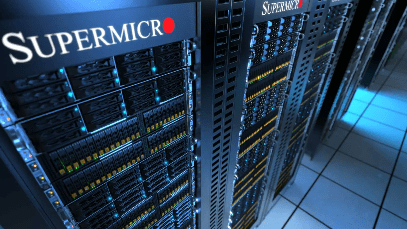
Super Micro Computer unexpectedly disclosed that revenue and profitability could be significantly stronger than originally anticipated, triggering a sharp stock surge. Dell and HPE shares rallied in sympathy, signaling broad-based strength in the server and infrastructure hardware sector driven by sustained AI data center demand.
Key points
Market impact. The surprise upside validates robust enterprise capex spending on AI infrastructure and suggests Super Micro's supply chain and manufacturing capacity are meeting accelerating demand. Infrastructure hardware peers benefit from the positive sentiment, while the move reinforces that AI-driven capex cycles remain intact despite profitability concerns elsewhere in the sector.
Broader implications. Super Micro's beat suggests that specialized hardware vendors focused on AI workloads are capturing disproportionate value from the infrastructure buildout. The company's ability to scale production and maintain margins will be critical to sustaining investor confidence in the AI capex narrative.