Anthropic filed for its IPO with 93 pages of risk disclosures, but the real story is buried in note conversions: Amazon's equity stake will balloon far beyond initial venture capital investments, positioning the cloud giant as the primary beneficiary of Anthropic's public valuation. The filing also hints at competitive threats to Nvidia's GPU dominance through alternative chip development.
Key points
Market impact. Anthropic's IPO is expected to have a "trickle-down effect" across AI infrastructure and semiconductor stocks, particularly pressuring Nvidia (NVDA) if the market perceives viable alternatives to its chips. Amazon (AMZN) gains asymmetric upside from both Anthropic's valuation and reduced dependency on Nvidia for AI workloads. The IPO timing amid rising interest rates adds volatility to the AI trade.
Broader implications. This deal crystallizes the shift in AI power dynamics: cloud providers now control the economics of frontier AI companies, not venture capitalists. Amazon's leverage over Anthropic's infrastructure and compute costs gives it structural control over the AI supply chain.
Sources (3)TechCrunch, CBS Money Watch, Business Insider
The Federal Reserve is expected to hold its benchmark rate at 1.25% this week, with 93% of surveyed officials expecting no change. However, Fed Governor Kevin Warsh is signaling a more hawkish stance, suggesting the central bank may need to resume rate hikes if inflation continues moving in the wrong direction despite a stable labor market.
Key points
Market impact. Bond markets are pricing in a pause, but Warsh's commentary could trigger a repricing of rate expectations for 2025, pressuring equities and extending the duration of elevated borrowing costs for corporates. Treasury yields could spike if the Fed signals a shorter pause than markets currently expect.
Broader implications. The divergence between dovish market consensus and hawkish Fed messaging creates asymmetric risk for risk assets. Warsh's influence suggests the Fed's inflation-fighting credibility remains intact, even as growth concerns mount.
Sources (3)CNBC Economy, CNBC Top Stories, New York Times Business
Neutral −93 sourcesvolkswagen · audi · georgia · tariffs
Volkswagen's Audi division is investing $4 billion to build a new SUV factory in Georgia, creating 4,500 jobs with production starting in the early 2030s. Porsche, by contrast, is keeping its Cayenne and other models European-built, accepting a permanent 15% US tariff rather than investing domestically. The divergence reflects different strategic bets on Trump's tariff regime.
Key points
Market impact. Audi's commitment signals confidence in long-term US market access and suggests automakers believe tariffs will stabilize at current levels. This accelerates the reshoring of luxury SUV production and could pressure European automotive suppliers dependent on export margins. Regional construction and labor markets in Georgia will see significant demand.
Broader implications. The split strategy between Audi and Porsche reveals fractures within VW Group on tariff strategy. Audi's bet on US localization suggests confidence in sustained protectionism, while Porsche's tariff acceptance implies the company views premium pricing power as sufficient to absorb trade costs.
Jio Platforms, backed by Meta and Google, surged over 21% on its trading debut after raising 302 billion rupees through an IPO of 270 million shares priced at 1,119 rupees each. The record IPO size and strong first-day performance underscore investor enthusiasm for India's digital infrastructure plays.
Key points
Market impact. The strong debut validates Meta and Google's India strategy and could accelerate capital allocation toward Indian digital infrastructure. Jio's valuation sets a benchmark for other Indian tech IPOs and may attract foreign institutional capital to Indian markets. The performance also benefits parent Reliance Industries (RIL), which owns Jio.
Broader implications. Jio's success reflects the structural shift of tech capital flows toward Asia, particularly India, as a counterweight to China. Meta and Google's willingness to co-invest signals confidence in India's digital monetization potential over the next decade.
Elon Musk claimed Ukraine's military violated Starlink's terms of service by using the satellite network for drone strikes, but Ukraine disputed the allegation, arguing that commercial Starlink's speed limitations prevented military-grade operations. Starlink speeds have since normalized, but the dispute underscores tensions between Musk and Kyiv over the network's military applications.
Key points
Market impact. The dispute has minimal direct market impact on SpaceX's valuation, but it signals reputational risk for Starlink's military contracts and government relationships. The controversy could complicate SpaceX's pursuit of US Department of Defense contracts and international satellite communications deals.
Broader implications. The incident reveals the geopolitical complexity of private infrastructure in wartime: Musk's control over Starlink gives him de facto veto power over Ukrainian military operations, a dynamic that challenges traditional notions of state sovereignty in critical infrastructure.
Strong bearish −633 sourcesiran · war · cost · trump
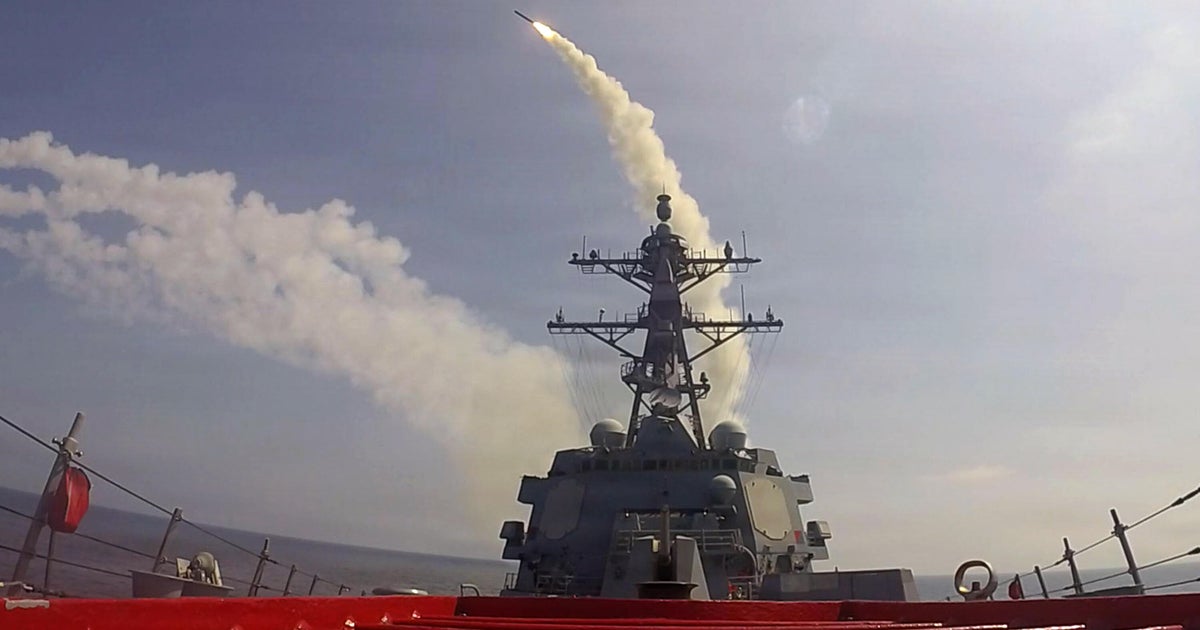
The US military's Iran conflict has cost at least $47.1 billion as of mid-October, according to SOUTHCOM estimates. Trump stated the war will end "when I want it to," signaling no near-term resolution despite mounting costs and soaring energy prices tied to regional instability.
Key points
Market impact. Sustained military spending in the Middle East pressures the federal budget and could delay deficit reduction, keeping long-term Treasury yields elevated. Oil price volatility tied to Iran tensions adds uncertainty to energy stocks and inflation expectations. Defense contractors benefit from extended conflict, but broader fiscal drag weighs on equities.
Broader implications. Trump's open-ended commitment to the Iran conflict contradicts his campaign messaging on reducing foreign military entanglements. The $47 billion price tag signals the conflict has become a structural fiscal drain, with geopolitical consequences for Middle East stability and oil markets.
Bearish −263 sourcesdata center · construction · labor
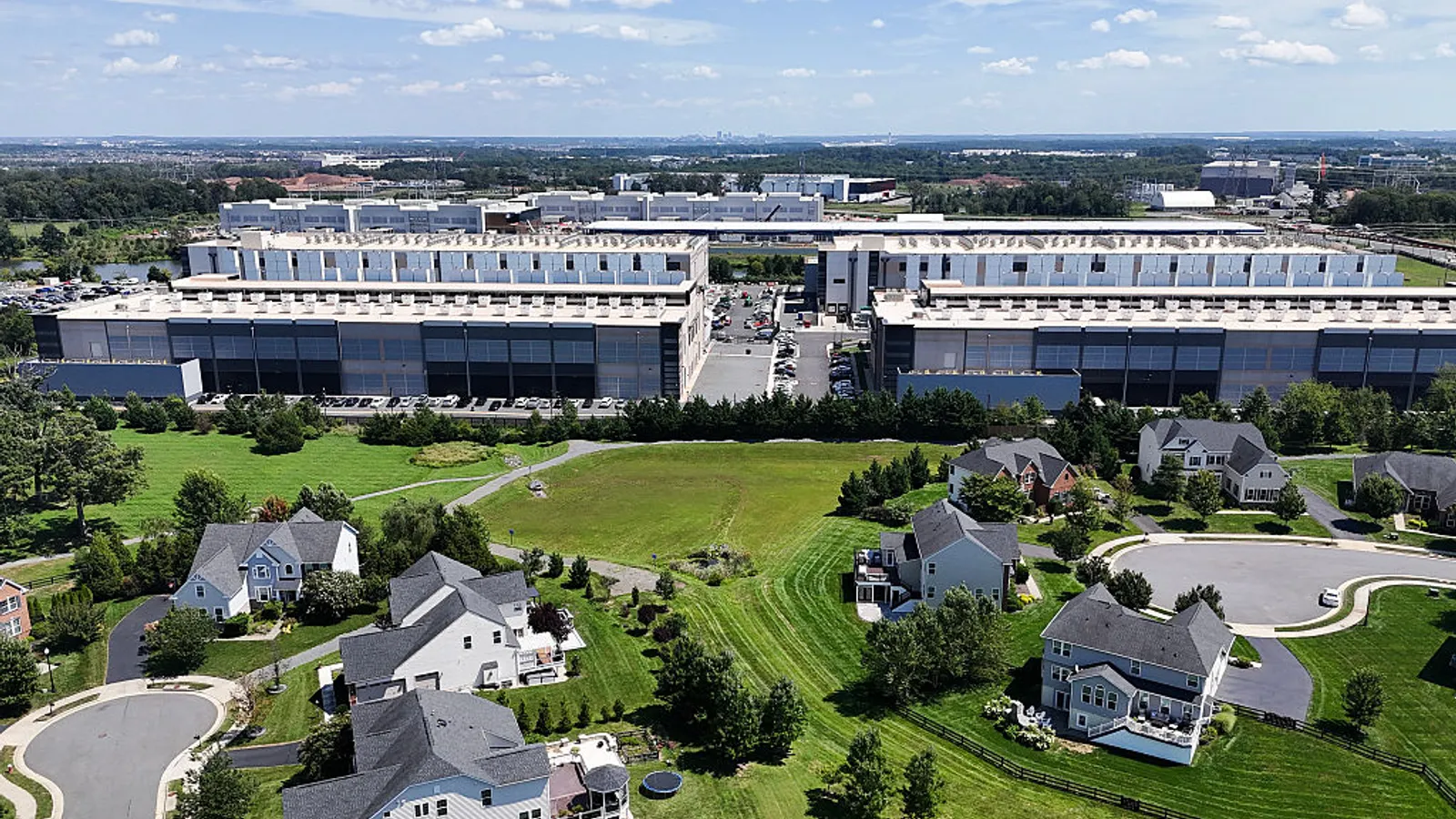
Hyperscaler data center construction is moving at an unprecedented pace, creating a talent crisis across the broader construction industry. Mission-critical AI infrastructure projects are absorbing labor at rates that strip capability from traditional construction, while state-level moratoriums complicate site selection for megaprojects.
Key points
Market impact. Construction labor costs are rising sharply, pressuring margins for non-data-center builders and infrastructure contractors. Specialty trades tied to data center work command premium wages, accelerating cost inflation in the sector. Publicly traded construction firms and labor-intensive infrastructure plays face margin compression.
Broader implications. The data center boom is creating a structural labor reallocation that favors tech infrastructure over traditional construction. This dynamic will persist as long as AI capex remains elevated, reshaping the economics of the broader construction sector.
Sources (3)Construction Executive, Construction Dive, YouTube - Yahoo Finance
Instagram is introducing long-form video capabilities extending up to 90 minutes, marking a strategic shift away from short-form dominance and directly competing with YouTube. The move represents a notable reversal after years of aggressive short-form video expansion across social platforms.
Key points
Market impact. Meta (META) is attempting to capture advertising share from YouTube's long-form ecosystem, potentially pressuring Alphabet's (GOOGL) video revenue growth. The shift could accelerate creator migration from YouTube to Instagram if monetization terms prove competitive, fragmenting the long-form video market.
Broader implications. Instagram's pivot signals Meta's confidence in its recommendation algorithm and ad infrastructure for longer-form content. The move also reflects the maturation of short-form video as a saturated market, forcing platforms to compete across all video lengths.
Port Houston reported an 11% jump in container volumes in September, driven by rising imports and improving exports. The surge signals sustained demand for Gulf Coast logistics infrastructure and reflects broader US import momentum ahead of potential tariff escalations.
Key points
Market impact. Strong port activity supports logistics stocks and shipping companies dependent on Gulf Coast throughput. The import surge suggests consumer demand remains resilient despite rate uncertainty, supporting retail and discretionary spending forecasts. Port operators and terminal service providers benefit from volume growth.