Anthropic filed for a Nasdaq IPO under ticker ANT with a potential $2 trillion valuation, but its S-1 prospectus omits critical financial metrics including revenue figures, profitability timelines, and customer concentration data. The filing reveals the AI lab's strategy to lock in enterprise customers through bundled Claude Platform and first-party services, yet leaves investors guessing on fundamental unit economics.
Key points
Market impact. Anthropic's roadshow begins the week of November 9, positioning the IPO as a bellwether for whether AI labs can achieve sustainable profitability—a question that has haunted the sector. The opaque filing may trigger volatility; investors demand clarity on burn rate and path to positive cash flow before committing capital to a company burning billions annually on compute.
Broader implications. Anthropic's deliberate information asymmetry reflects founder Dario Amodei's stated desire to keep Wall Street at arm's length, but it also signals the AI industry's struggle to demonstrate returns on massive infrastructure investments. A successful IPO despite sparse disclosures would validate hype over fundamentals; a stumble would expose cracks in the AI arms race narrative.
Sources (3)Business Insider, Wired, New York Post Business
The Federal Reserve is expected to hold rates steady this week following September's hike, with 93% of CNBC survey respondents forecasting no change. However, inflation momentum has reversed—moving in the wrong direction—while the labor market remains resilient, creating pressure for future tightening that Fed officials, particularly Christopher Warsh, will need to justify.
Key points
Market impact. A hold this week provides temporary relief to equities and bonds, but Warsh's messaging will be parsed for clues on Q1 2025 rate hikes. Any hawkish language could trigger a repricing of terminal rates, pressuring growth stocks and extending the duration of elevated borrowing costs for corporates refinancing debt.
Broader implications. The Fed faces a policy bind: inflation is not cooperating with the disinflationary narrative, yet the labor market's strength limits urgency for cuts. This dynamic keeps real rates elevated longer, constraining M&A activity and capital expenditure cycles into 2025.
Sources (3)CNBC Economy, CNBC Top Stories, New York Times Business
Bullish +213 sourcesmicrosoft · buyouts · workforce · ai
Microsoft is offering voluntary exit packages to approximately 60,000 employees—over 25% of its workforce—as part of a broader restructuring to redirect capital toward AI infrastructure and development. The buyout signals management's intent to shed legacy roles and redeploy headcount toward higher-margin AI services.
Key points
Market impact. The move should improve operating leverage and free up cash for cloud and AI capex, supporting margin expansion in FY2025. However, execution risk is material: losing institutional knowledge or key technical talent could slow AI product velocity and cloud competitiveness against AWS and Google Cloud.
Broader implications. Microsoft's restructuring reflects a broader tech industry shift: AI is capital-intensive and talent-selective, not labor-intensive. Competitors will face similar pressure to rationalize headcount, signaling a structural change in tech employment that extends beyond cyclical downturns.
Sources (3)New York Post Business, CBS Money Watch, TechCrunch
Bearish −363 sourcesdollar · general · ftc · pricing
The Federal Trade Commission and 20 state attorneys general filed suit against Dollar General, alleging a "long-running pattern of inaccurate pricing" that overcharged millions of customers. The complaint cites extensive corporate knowledge of the problem and references a 2025 Guardian investigation that exposed systematic checkout scanner failures and price tag mismatches.
Key points
Market impact. DG stock faces downside risk from potential damages, remediation costs, and reputational harm in a sector already under margin pressure. Settlements could reach hundreds of millions; more significantly, the lawsuit threatens Dollar General's value proposition as a discount retailer if trust erodes among price-conscious consumers.
Broader implications. The suit reflects heightened FTC enforcement under Lina Khan and signals that discount retailers cannot rely on regulatory laxity to offset operational failures. Expect similar scrutiny of Walmart, Five Below, and other high-volume retailers where pricing accuracy is difficult to police at scale.
Sources (3)The Guardian US News, New York Post Business, CNBC Business
Luiz Inácio Lula da Silva won reelection in Brazil on Monday, triggering sharp reversals in equities and currency markets that had priced in a different outcome. The leftist incumbent's victory signals continuity of expansionary fiscal policy and potential resistance to central bank rate hikes, contradicting market expectations for fiscal consolidation.
Key points
Market impact. The Brazilian real weakened and the Bovespa declined as investors repriced inflation and interest rate risks. Foreign capital may flow out if Lula pursues spending increases without offsetting revenue measures, pressuring the currency further and raising borrowing costs for Brazilian corporates with dollar-denominated debt.
Broader implications. Lula's reelection reinforces a Latin American trend toward left-leaning governments skeptical of orthodox monetary policy, complicating central banks' inflation-fighting efforts. Brazil's fiscal trajectory will be closely watched by emerging market investors assessing contagion risk to other EM currencies and credit spreads.
Sources (3)YouTube - Yahoo Finance, New York Post Business, New York Times Business
DoorDash is in advanced talks to acquire Instacart in a deal valuing the grocery delivery platform at approximately $17 billion, according to Wall Street Journal reporting. Instacart has ended parallel negotiations with Uber, signaling DoorDash as the preferred buyer in a consolidation wave driven by competition from Walmart and Amazon's grocery and delivery capabilities.
Key points
Market impact. A DoorDash-Instacart combination would create a delivery duopoly with Uber Eats, reducing competitive pressure on unit economics and potentially enabling margin expansion. DoorDash stock could rally on synergy expectations; Uber faces strategic pressure to defend its delivery franchise or exit the category entirely.
Broader implications. The deal reflects the delivery sector's structural unprofitability and the necessity of scale to compete with Amazon and Walmart's logistics networks. Consolidation may reduce consumer choice and increase delivery fees, but it is likely the only path to sustainable unit economics in a category that has destroyed billions in shareholder value.
Sources (3)New York Post Business, Market Watch, TechCrunch
Neutral −53 sourcesdata · center · construction · talent
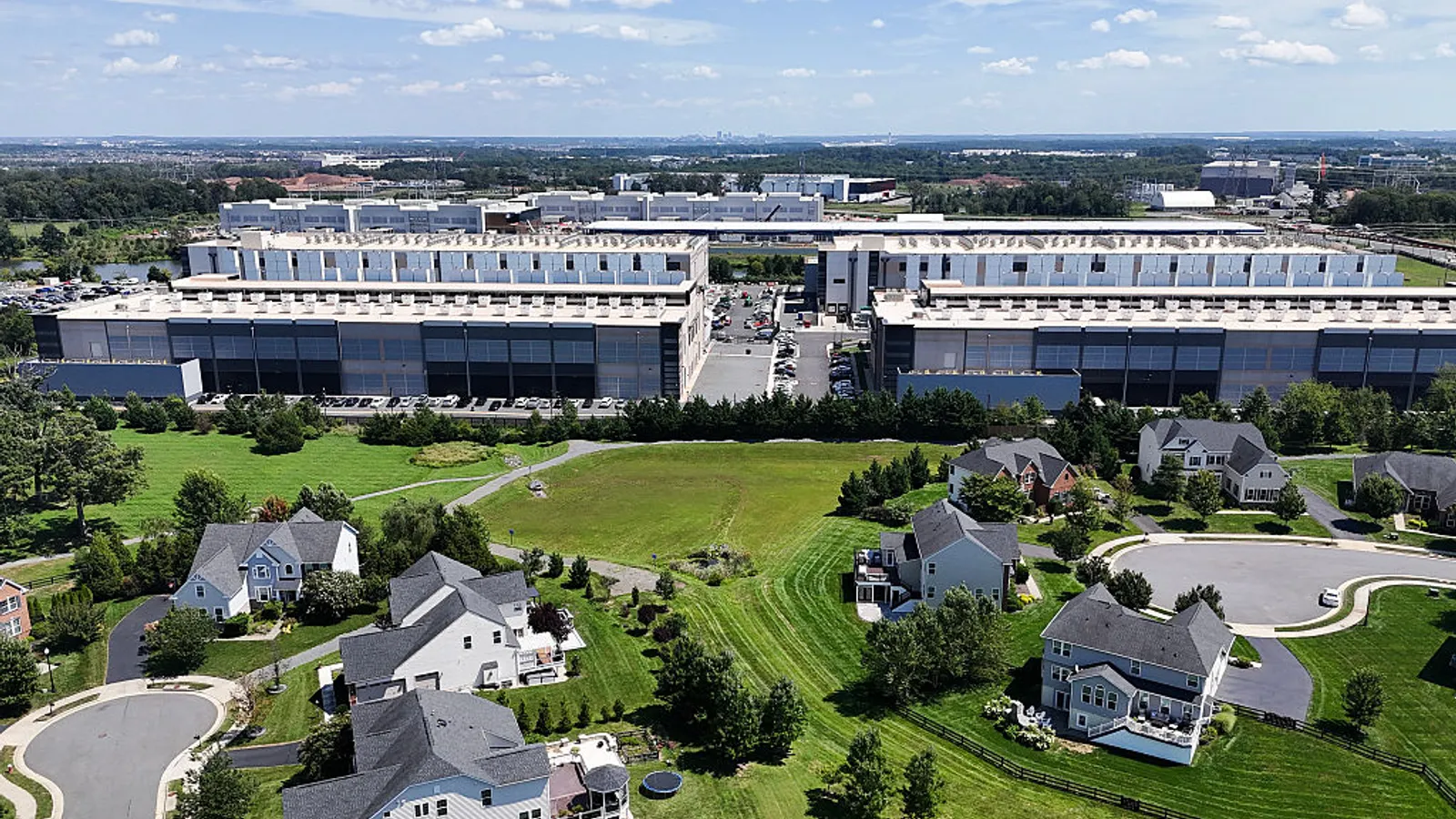
Hyperscaler data center construction is accelerating at an unsustainable pace, creating acute labor shortages that are stripping skilled workers from traditional construction, utilities, and infrastructure projects. Mission-critical facilities demand specialized expertise in power distribution, cooling systems, and security, concentrating talent in a narrow segment and starving other sectors of resources.
Key points
Market impact. Construction companies bidding on non-data-center projects face wage inflation and schedule delays as workers migrate to higher-paying AI infrastructure roles. This dynamic pressures margins for traditional builders and could delay completion of public infrastructure projects, affecting municipal bond yields and construction equipment demand.
Broader implications. The data center boom is creating a two-tier construction economy: hyperscalers with unlimited budgets and access to capital, and traditional infrastructure operators competing for scarce labor. This imbalance raises questions about the sustainability of AI capex cycles and the long-term health of non-tech construction sectors.
Sources (3)Construction Executive, Construction Dive, Business Insider
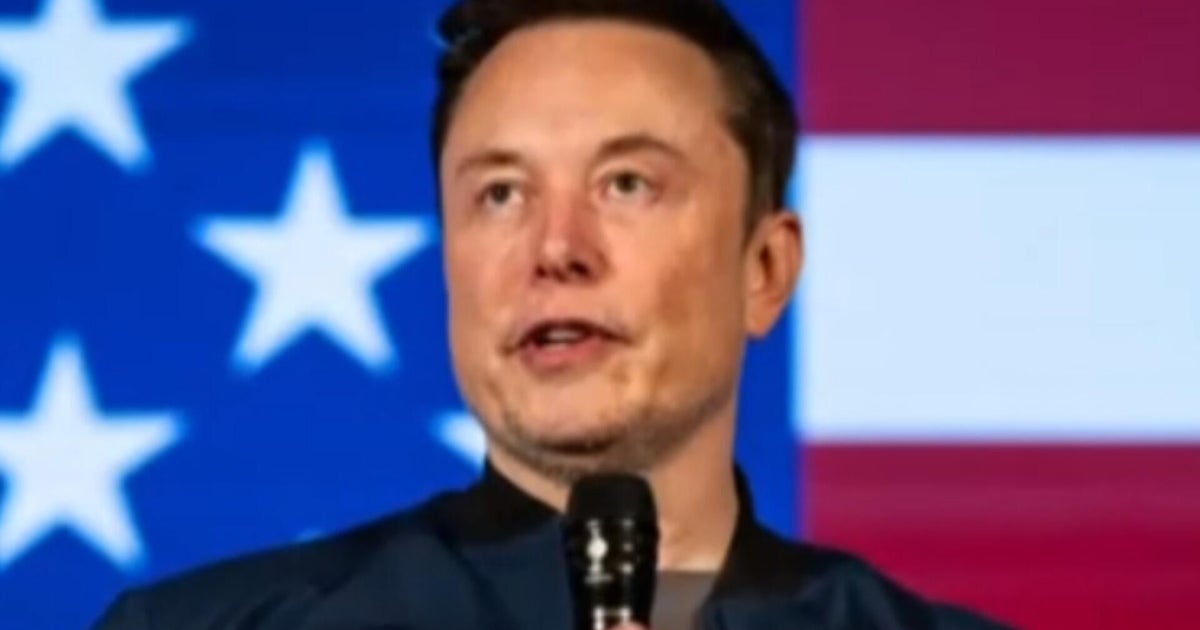
Elon Musk claimed Ukraine violated Starlink's terms of service by using the satellite network for drone strikes, prompting SpaceX to throttle service speeds. Ukraine disputed the claim, arguing commercial Starlink restrictions prevent military use and that Musk's action undermines the country's defense capabilities. Service has since normalized, but the episode exposed the vulnerability of critical infrastructure to a single corporate actor's geopolitical preferences.
Key points
Market impact. The incident raises regulatory risk for SpaceX's Starlink business and Musk's broader enterprises. U.S. and European policymakers may impose restrictions on Starlink's military use or require redundancy in critical infrastructure, pressuring SpaceX's margins and government contract pipeline. Reputational damage could also affect Tesla and X valuations if Musk's geopolitical positioning alienates institutional investors.
Broader implications. The Starlink-Ukraine dispute underscores the concentration risk of critical infrastructure in private hands and the absence of clear governance frameworks for satellite networks in conflict zones. Expect increased calls for government-backed alternatives and regulatory oversight of dual-use space assets.