Strong bearish −663 sourcesbinance · north korea · crypto heist
Binance has resumed phased withdrawals following the record $6.3 billion cryptocurrency theft, with the exchange now covering 95% of stolen assets. The FBI has attributed the attack to a North Korean state-sponsored group, marking the largest heist of its kind in history.
Key points
Market impact. The breach and recovery signal systemic risk in centralized crypto exchanges, pressuring confidence in digital asset custody. Bitcoin and major altcoins face volatility as users reassess counterparty risk, though Binance's rapid asset coverage limits contagion to the broader crypto market.
Broader implications. The North Korean attribution escalates U.S.-China tensions over state-sponsored cyber warfare and sanctions evasion through crypto. Regulators will likely tighten exchange security mandates and reserve requirements, reshaping the competitive landscape for centralized platforms.
Sources (3)TechCrunch, Cointelegraph, The Guardian World News
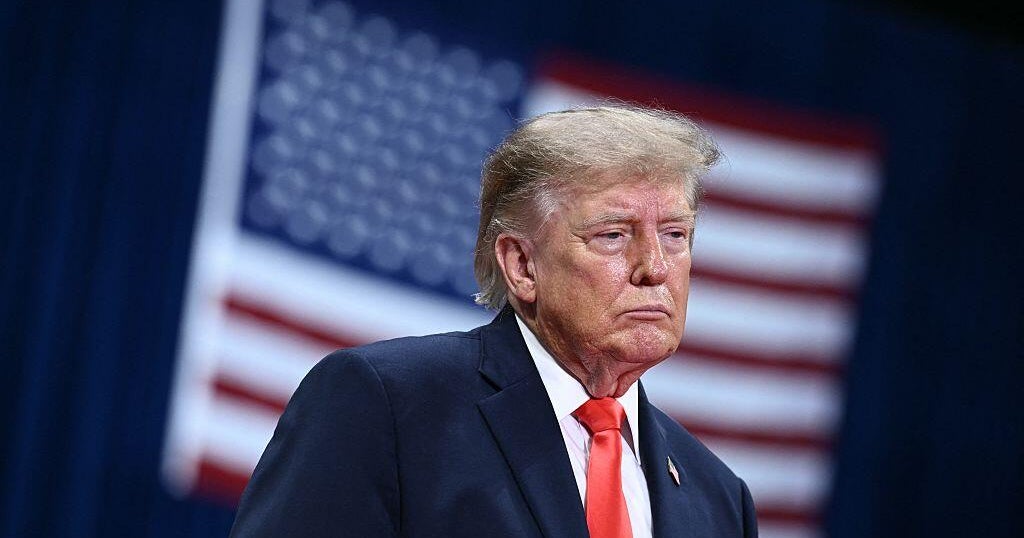
Strong bearish −433 sourcesiran · qatar · trump · war
President Trump has stated the Iran conflict will end "soon" as Qatari mediators conduct a third day of negotiations in Tehran. The talks intensify days before the November 3 U.S. midterm elections, with Qatar pushing for a comprehensive U.S.-Iran deal.
Key points
Market impact. De-escalation rhetoric pressures oil prices lower as markets price in reduced Middle East supply disruption risk. Energy stocks and crude futures have already retreated; a formal deal would unlock further downside for WTI and Brent, benefiting refiners and transportation equities.
Broader implications. A Trump-brokered Iran deal before midterms would reshape Middle East geopolitics and undermine Democratic messaging on foreign policy stability. Success hinges on sanctions relief terms and nuclear program verification—outcomes that will define U.S.-Iran relations for years.
Strong bearish −811 sourceoil · treasury · bond · macro
Over the past month, oil prices have climbed while U.S. Treasury yields have declined—a rare divergence that reflects conflicting market expectations. Traders expect crude to continue rising, but bond markets are pricing in economic slowdown or Fed rate cuts.
Key points
Market impact. The split creates hedging challenges for portfolio managers: energy exposure gains from higher oil, but equity valuations compress if yields fall on recession fears. Cyclical sectors face headwinds while defensive plays and long-duration bonds rally, fragmenting sector rotation.
Broader implications. The divergence signals market uncertainty over inflation persistence versus growth deceleration. If geopolitical supply shocks sustain oil while demand weakens, stagflation risks rise—a scenario that historically punishes equities and bonds simultaneously.
Neutral −83 sourcestrump · wall street journal · defamation
U.S. District Judge Darrin Gayles in Miami dismissed Trump's $10 billion defamation suit against the Wall Street Journal with prejudice, ruling the president was "grasping at straws." The lawsuit centered on a WSJ article regarding a birthday note to Jeffrey Epstein.
Key points
Market impact. The ruling removes litigation risk for Dow Jones and News Corp, clearing a potential drag on shareholder value. Media stocks benefit modestly from reduced legal uncertainty, though the decision carries minimal direct market consequence given the suit's low probability of success.
Broader implications. The dismissal reinforces judicial skepticism of Trump's defamation claims and signals courts will apply strict scrutiny to public figure libel suits. The precedent may discourage similar litigation while emboldening press freedom, a win for institutional media independence.
Sources (3)NPR Business, CBS News, New York Times Business
Anthropic's internal consumption of its own AI models, valued at retail pricing, now surpasses total employee compensation. The metric reveals the company's heavy reliance on Claude for internal operations—from coding to analysis—at scale.
Key points
Market impact. The data point underscores AI productivity gains and unit economics for frontier model providers. If Anthropic's internal AI use continues to grow faster than headcount, it signals improving margins and reduced labor intensity—a bullish signal for AI infrastructure valuations.
Broader implications. The trend validates long-term AI displacement narratives and suggests AI-native companies will achieve structural cost advantages over traditional enterprises. It also highlights the capital intensity of frontier AI: only well-funded labs can afford to dogfood at this scale.
UK-based robotics firm Humanoid has expanded its collaboration with Nvidia to build computing infrastructure for next-generation humanoid robots. The partnership deepens Nvidia's footprint in embodied AI and robotics hardware acceleration.
Key points
Market impact. The deal reinforces Nvidia's dominance in AI compute for robotics, driving GPU demand beyond data centers into edge robotics applications. Nvidia's data center revenue faces near-term saturation; robotics represents a new TAM expansion vector that could sustain growth into 2027.
Broader implications. Humanoid robots are transitioning from research to commercial deployment, signaling the beginning of embodied AI's industrial adoption. Nvidia's strategic positioning in this shift cements its role as the infrastructure layer for the next computing paradigm.
Starbucks CEO has declared the company's operational turnaround complete and repositioned the brand as a growth company. The statement follows stabilization of same-store sales and operational improvements across North America and international markets.
Key points
Market impact. The narrative shift supports Starbucks' (SBUX) valuation re-rating from turnaround to growth, potentially justifying multiple expansion. Investors will monitor Q4 earnings for evidence of accelerating comp growth; a miss would undermine the growth thesis and pressure the stock.
Broader implications. Starbucks' recovery reflects consumer resilience despite inflation concerns, suggesting discretionary spending remains robust. The company's ability to raise prices while maintaining traffic validates pricing power in branded QSR, a template other restaurant operators will attempt to replicate.
Crocs (CROX) stock jumped 25% following earnings, extending a 30% rally since early October when CNBC highlighted the company's depressed valuation. The post-earnings surge reflects strong execution and margin expansion that had been underpriced by the market.
Key points
Market impact. The move signals a revaluation of casual footwear as a defensive consumer staple with pricing power. CROX's momentum could attract momentum funds and trigger short covering, potentially driving further gains if the company maintains guidance and demonstrates international expansion success.
Broader implications. Crocs' recovery validates the thesis that unfashionable brands can command premium valuations if they deliver consistent growth and margins. The stock's resurgence also reflects broader consumer appetite for comfort-focused footwear, a secular trend benefiting the entire category.
Blockbuster earnings growth has powered the 2026 stock market rally, but analysts warn that earnings momentum may stall in 2027 as AI productivity gains plateau and comparables become more difficult. The risk is a valuation compression if growth expectations reset lower.
Key points
Market impact. The warning suggests the S&P 500's forward P/E multiple is vulnerable to contraction if 2027 earnings guidance disappoints. Investors should monitor Q4 2026 earnings calls for management commentary on 2027 revenue visibility; weak guidance could trigger a 5-10% market correction.
Broader implications. The earnings cliff reflects the reality that AI's productivity boost is front-loaded; sustained growth requires new use cases and monetization models. Companies that fail to demonstrate durable AI-driven revenue growth will face multiple compression, separating winners from laggards.