Anthropic priced its IPO at $83 per share, above the $70–$78 range, raising $81.3 billion and valuing the five-year-old AI lab at $1.5 trillion on a fully diluted basis. The company will trade on Nasdaq under ticker ANT, with Amazon holding just under 15% and Google holding a close second stake post-IPO.
Key points
Market impact. The mega-IPO signals sustained institutional appetite for AI infrastructure despite recent tech volatility and a broader bearish sentiment. Amazon and Google's combined ~30% ownership locks in major cloud players' bets on Claude and creates potential conflicts with their own AI initiatives, while the valuation sets a new benchmark for private AI companies seeking public capital.
Broader implications. Anthropic's successful pricing demonstrates that AI demand remains robust enough to absorb massive capital raises, even as the sector faces questions about profitability and regulatory scrutiny. The IPO underscores Silicon Valley's ability to command premium valuations in a concentrated AI market dominated by a handful of well-capitalized players.
Sources (3)NPR Business, CNBC Top Stories, TechCrunch
Neutral 03 sourcestrump · putin · xi · geopolitics
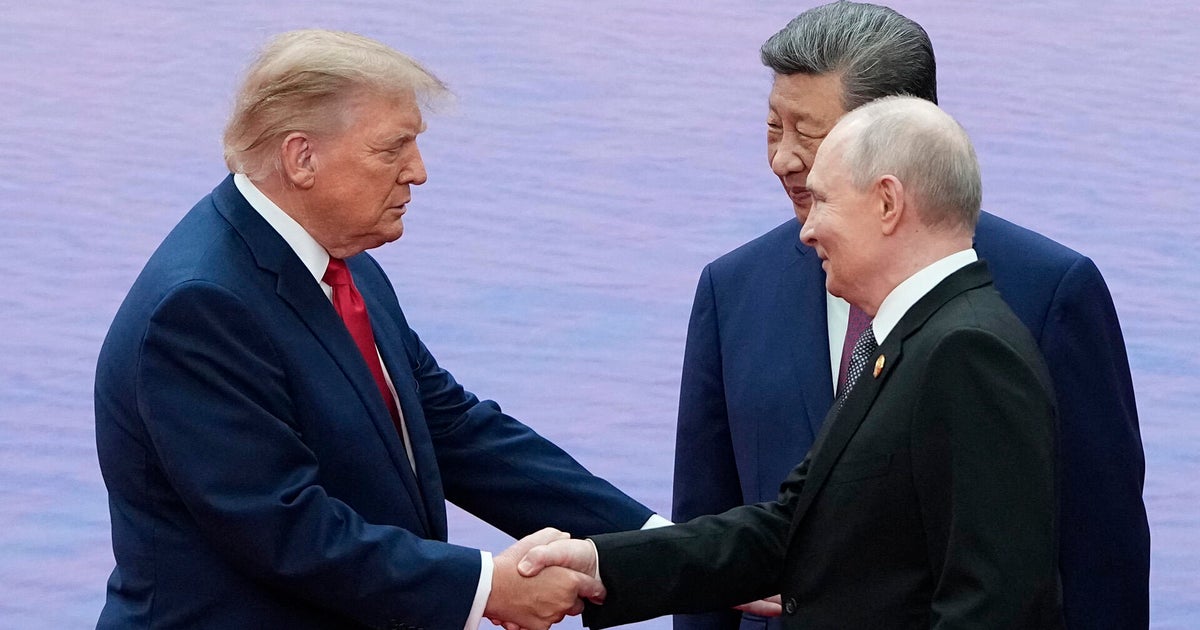
President Trump met separately with Russian President Vladimir Putin and Chinese President Xi Jinping ahead of a historic trilateral summit in Shenzhen. Putin used the occasion to emphasize Russia's economic resilience despite U.S. sanctions and highlight opportunities for cooperation, while Trump and Xi discussed trade, technology, and geopolitical tensions.
Key points
Market impact. The trilateral meeting injects uncertainty into commodity and energy markets, particularly given Putin's messaging on sanctions evasion and potential realignment of trade blocs. Any outcome signaling reduced U.S.–China trade friction or U.S.–Russia sanctions relief could trigger sharp moves in oil, metals, and equities tied to export-dependent sectors.
Broader implications. The summit represents a potential pivot in Trump's foreign policy toward negotiation with adversaries, contrasting sharply with Europe's tightening sanctions on Russia. Outcomes on Ukraine, Taiwan, and technology decoupling will reshape geopolitical risk premiums and capital allocation across regions for months ahead.
Federal Reserve Governor Christopher Waller stated the central bank may need to deploy a 50-basis-point rate hike and potentially raise rates by 100 basis points or more to "shock" inflation out of the system if price pressures persist above the 2% target. His hawkish rhetoric contrasts with recent market expectations of a pause or cuts.
Key points
Market impact. Waller's comments triggered immediate selloffs in equities and crypto—Bitcoin dropped below $63,000—as investors repriced terminal rate expectations upward. Treasury yields rose sharply, and equity volatility spiked as the market absorbed the possibility of a more aggressive Fed than consensus had priced in, pressuring growth stocks and high-beta assets.
Broader implications. If inflation remains sticky, the Fed's willingness to deploy shock tactics signals a pivot away from gradualism and toward financial stability risks. This threatens a soft landing narrative and raises the probability of recession, with cascading effects on credit spreads, employment, and consumer spending.
Colette Kress, Nvidia's interim CEO, held an all-hands meeting with employees following Jensen Huang's resignation amid scandals including an affair with an all-female team. Kress sought to stabilize morale while some employees have begun pushing for Huang's return, creating internal division as the company prepares its first earnings call without him.
Key points
Market impact. Nvidia's stock faces renewed volatility as investors assess Kress's ability to maintain operational momentum and investor confidence during a critical earnings cycle. A divided workforce and leadership uncertainty could undermine execution on AI chip demand, while Wall Street analysts will scrutinize whether the company can sustain its market dominance under new leadership.
Broader implications. The leadership crisis at Nvidia, the linchpin of the AI infrastructure boom, exposes governance vulnerabilities in high-growth tech firms and raises questions about founder-dependent valuations. A misstep in the transition could ripple across the entire AI ecosystem, affecting Anthropic, OpenAI, and downstream semiconductor demand.
Sources (3)New York Times Business, CNBC Top Stories, finance.yahoo.com
The Commerce Department announced interim rules to crack down on loopholes allowing Chinese firms to access advanced AI chips via foreign data centers and remote compute services. The move follows the Nvidia scandal and requires licenses for exports of AI chips that may provide compute to China, effectively extending export controls beyond physical chip sales.
Key points
Market impact. Nvidia faces reduced addressable market in Asia-Pacific and cloud providers face compliance costs and potential revenue headwinds from restricted data center services. Semiconductor stocks may benefit from reduced competition in non-restricted markets, while cloud infrastructure providers (AWS, Azure, Google Cloud) must navigate licensing requirements and geopolitical risk.
Broader implications. The escalation of chip export controls signals a shift toward weaponized technology policy and tech decoupling as a permanent feature of U.S.–China competition. This fragmentation of global AI infrastructure raises costs for all players and accelerates China's domestic chip development, potentially creating a bifurcated AI ecosystem within five years.
Sources (3)New York Post Business, CBS Money Watch, TechCrunch
Bearish −213 sourcesbanks · ai · agents · liability
Major banks are warning customers they could be held liable for errors made by AI agents executing financial transactions, even as JPMorgan and Hyundai Card expand AI agent deployments for autonomous banking tasks. Banks are simultaneously banning AI agents over security concerns and competitive fears of losing direct customer relationships.
Key points
Market impact. The liability warnings create regulatory and reputational risk for fintech platforms and AI vendors selling banking automation solutions. JPMorgan's push for autonomous transactions faces internal resistance, slowing adoption timelines and reducing near-term revenue upside for AI infrastructure providers targeting financial services.
Broader implications. The banking sector's hesitation to fully embrace AI agents reveals a fundamental tension: automation reduces costs but transfers liability and erodes customer lock-in. Regulatory clarity on AI agent accountability will be critical; absent it, banks will move slowly, delaying the productivity gains promised by AI evangelists.
UK inflation rose to 3.6% year-over-year in October, driven by elevated petrol and diesel prices amid the U.S.–Iran conflict. The acceleration marks a one-year high and signals that energy volatility, not just domestic demand, is keeping price pressures elevated despite the Bank of England's rate hiking cycle.
Key points
Market impact. The inflation surprise pressures sterling and raises expectations for further BoE rate hikes, supporting gilts at the long end but creating uncertainty for equity valuations. Energy-intensive sectors and consumer staples face margin compression, while defensive plays and inflation-hedged assets gain relative appeal.
Broader implications. The UK's inflation persistence despite monetary tightening mirrors global stagflation risks tied to geopolitical energy shocks. If the U.S.–Iran conflict escalates, oil prices could spike further, forcing central banks to choose between growth and price stability—a dilemma that favors commodities and gold over equities.
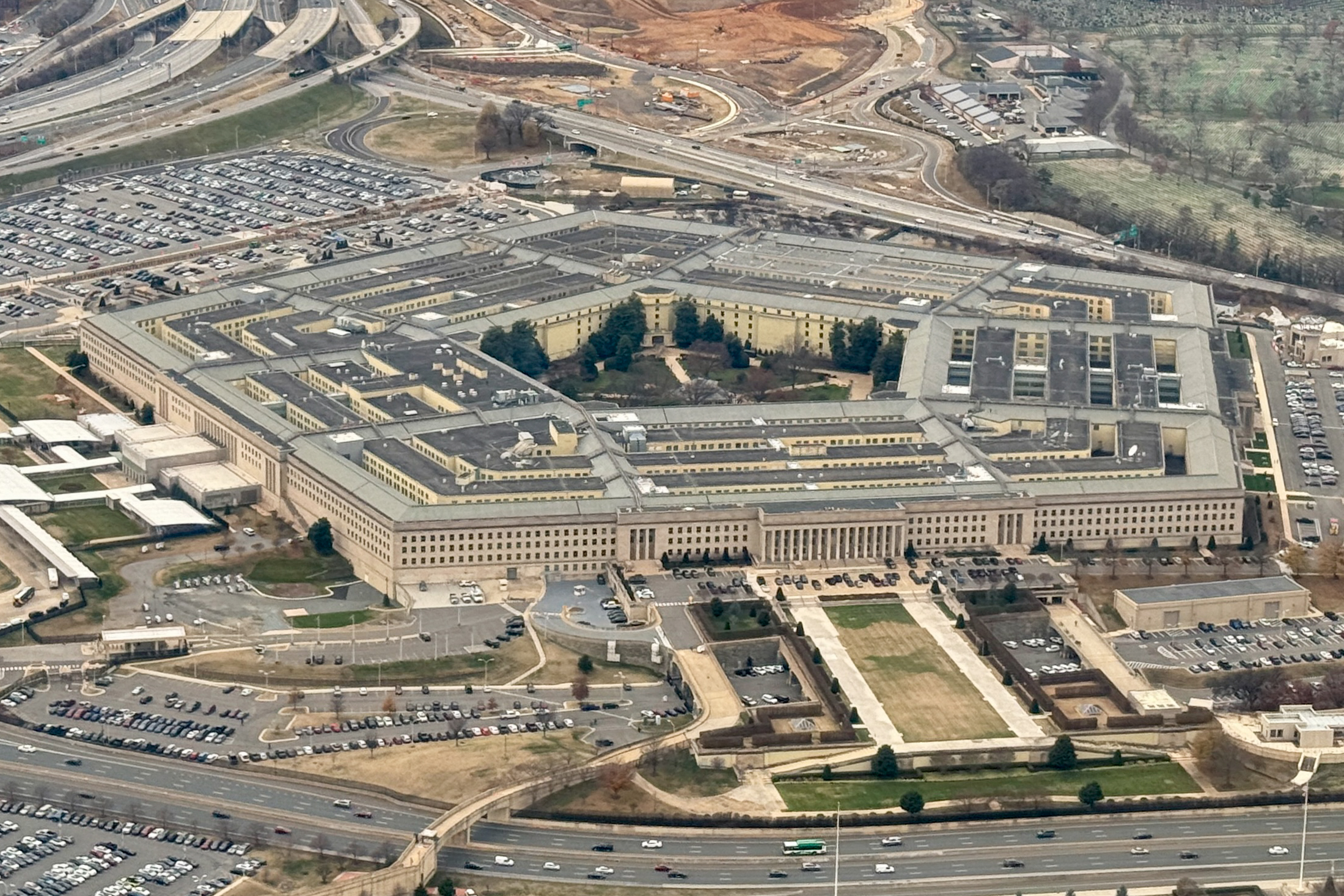
The Pentagon failed its ninth consecutive financial audit, with the inspector general's office ranking fraud elimination as a top priority. The failure persists despite claimed progress in organizing finances, signaling deep structural problems in defense accounting and internal controls across a $1.5 trillion budget.
Key points
Market impact. Defense contractors face increased scrutiny and potential compliance costs as auditors tighten oversight. The audit failures may trigger Congressional pushback on defense spending increases, pressuring stocks of major contractors (RTX, LMT, NOC) and slowing procurement cycles for new weapons systems and AI-enabled defense tech.
Broader implications. Systemic audit failures underscore inefficiency in military spending and create political ammunition for deficit hawks. As the Pentagon seeks higher budgets for AI and hypersonic weapons, Congress may demand accountability measures that slow deployment and increase costs, ultimately weakening U.S. defense readiness relative to China and Russia.
U.S. Treasury and eurozone bond yields edged higher as Fed minutes signaled readiness for further rate increases, while China's central bank cut interest rates despite itself, pursuing stimulus amid economic weakness. The divergence reflects opposing policy stances: the West tightening, China easing.