

U.S. Budget Deficit Hits $2 Trillion as Trump's Cost-Cutting Agenda Faces Fiscal Reality

What’s happening
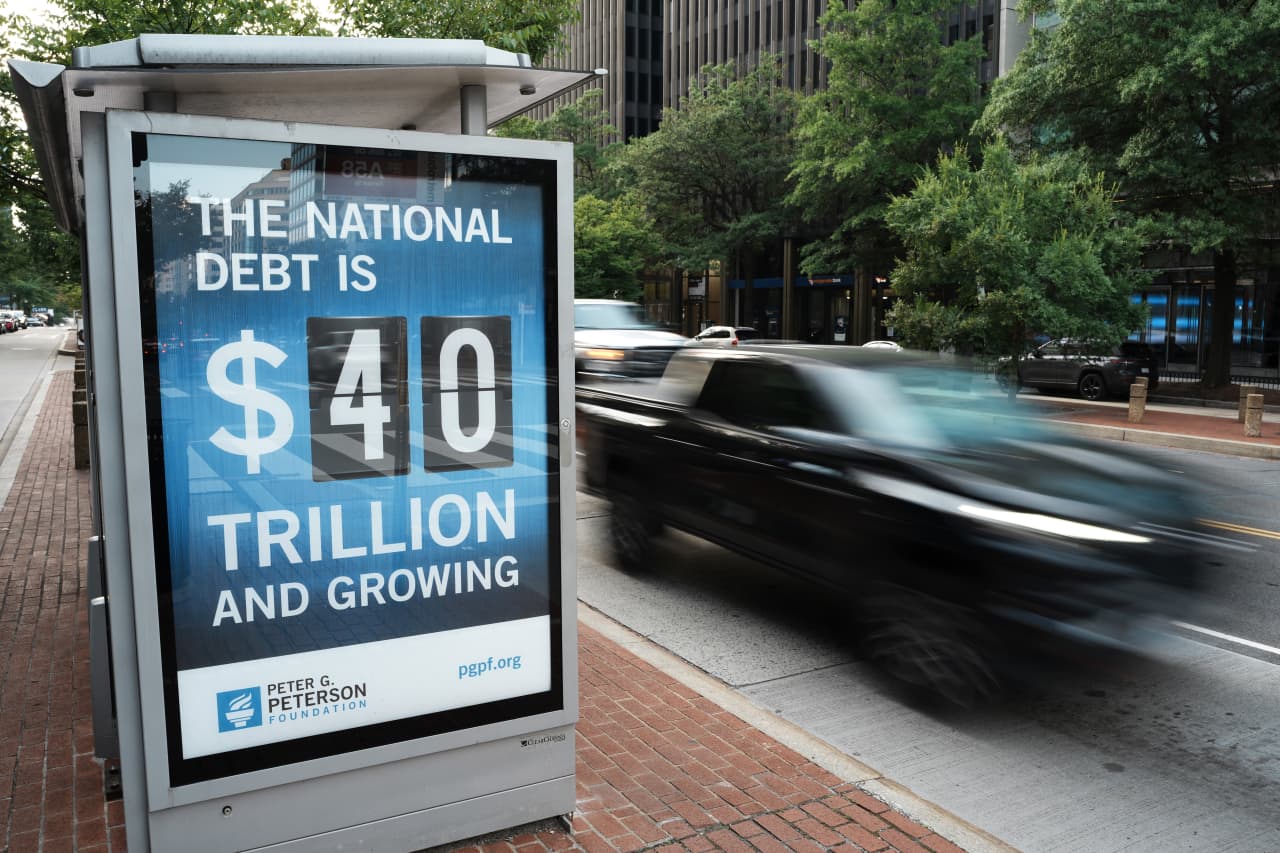
The U.S. budget deficit has swelled to nearly $2 trillion for fiscal 2026, up 12% year-over-year and representing 6.2% of GDP—the largest since 2021. Rising interest rates are inflating borrowing costs while the Trump administration continues spending on defense, Iran-related operations, and tariff refunds.
Market impact
Persistent deficits at this scale pressure Treasury yields and crowd out private capital, potentially keeping rates elevated longer than markets have priced. The fiscal trajectory also constrains policy flexibility and raises the risk of future debt ceiling confrontations that could roil markets.
Broader implications
Washington's inaction on deficit reduction despite campaign rhetoric about cost-cutting reveals the political difficulty of addressing entitlements and defense spending. This structural imbalance will likely persist, anchoring inflation expectations and limiting the Fed's ability to cut rates aggressively.
Sources (3)
The articles Pulse read to write this story- U.S. Budget Deficit Nears $2 Trillion, a Reality Check for Trump's Cost CuttingNew York Times BusinessStrong bearish −62

Written by Pulse AI from the articles above. Always check the original reporting before acting on it.