

Bank of England Raises Rates to 4% as Iran War Keeps Energy Inflation Elevated

What’s happening
The Bank of England raised its key interest rate to 4% for the first time in over three years, with one policymaker voting for 4.25%. The decision comes as energy prices remain elevated due to the U.S.-Iran conflict, pushing eurozone inflation toward 5% and forcing central banks to tighten despite growth concerns.
Market impact
Higher UK rates strengthen sterling and increase borrowing costs for households and businesses already facing margin pressure. The move signals the BoE is willing to tolerate slower growth to combat inflation, a hawkish stance that could trigger broader European rate hikes and weigh on equities.
Broader implications
Energy-driven inflation is forcing central banks into a policy bind: raising rates risks recession, but holding steady risks de-anchoring inflation expectations. The geopolitical risk premium from the Iran conflict is now embedded in monetary policy across developed markets.
Sources (3)
The articles Pulse read to write this story- Bank of England hikes interest rate for the first time since Iran war, warns inflation will near 5%CNBC EconomyStrong bearish −83
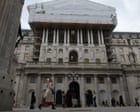 Bank of England raises interest rates to 4%, the first increase for more than three yearsThe Guardian World NewsStrong bearish −84

Written by Pulse AI from the articles above. Always check the original reporting before acting on it.